





Why it’s no last orders for the Tequila bat
Scientists studying the 'near threatened' tequila bat, best known for its role in pollinating the Blue Agave plant from which the drink of the...

Joro spiders aren’t scary: They’re shy
Despite their intimidating appearance, the giant yellow and blue-black spiders spreading across the Southeastern U.S. owe their survival to a surprising trait: They're rather...

A deadly fungus is killing frogs, but the bacteria on their skin could protect...
Researchers have found that some bacteria on the skin of amphibians prevent growth of the fungus responsible for what has been dubbed 'the amphibian...

Crab disease poses threat to shellfish stocks
Shore crabs carry parasites that pose a major threat to shellfish stocks. In a new study, researchers have used several different detection methods, including...

Mighty American chestnut poised for return to America’s forests
Scores of American chestnut seedlings growing in upstate New York are the vanguard in the restoration of what was once the most dominant tree...

Lichen is losing to wildfire, years after flames are gone
As increasingly hot and severe wildfires scorch the West, some lichen communities integral to conifer forests aren't returning, even years after the flames have...

New evidence of two subspecies of American pikas in Rocky Mountain National Park
Rocky Mountain National Park provides habitat for not one, but two subspecies of the American pika.

Deforestation in the tropics linked to a reduction in rainfall
Deforestation is resulting in reduced rainfall across large parts of the tropics, according to new research. People living in tropical forest communities have often...

Sea wheatgrass as new source of wheat virus resistance?
Resistance to wheat streak mosaic virus is one of the characteristics researchers hope to transfer from sea wheatgrass, a distant relative of wheat, into...

Scientists suggest way to predict the behavior of invasive weeds
Is it possible to predict which nonnative plant species will become invasive weeds and when? According to new research, the answer is 'hopefully yes.'...
Latest news


Popular Articles

Gorillas, rhinos, lions and more will soon become extinct without immediate action
A report by 43 wildlife experts warns that without changes now, many of Earth's most iconic species will be lost forever.
Link to full source:...

Do you see a devil in this orchid?
Named for 'el diablo' himself, a new and extremely rare orchid species reveals a wicked heart.
Link to full source: Do you see a devil...

Florida man arrested for stealing sea turtle eggs
He's given a whole new meaning to "poached eggs."
Link to full source: Florida man arrested for stealing sea turtle eggs
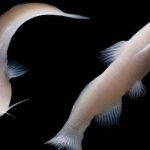
Rare blindcat found in US, could prove water-filled caves connect Texas and Mexico
The extremely rare cave-dwelling albino fish with no eyes, the Mexican blindcat, has previously only been known to exist in Mexico.
Link to full source:...

10 magical places saved by endangered species
In our efforts to save animals at risk of extinction, we've saved some extraordinary places as well.
Link to full source: 10 magical places saved...