




New modelling shows how interrupted flows in Australia’s Murray River endanger frogs
Flooding in Australia's Murray-Darling Basin is creating ideal breeding conditions for many native species that have evolved to take advantage of temporary flood conditions....

Aquatic hitchhikers: Using mobile technology to predict invasive species transmission
A new study uses passive data from a fishing technology company to model the movement of anglers and predict where aquatic invasive species may...

First record of large-antlered muntjac in Vietnam
In November 2017 -- under a biodiversity monitoring and assessment activity supported by the US Agency for International Development -- scientists and conservationists captured...

Forget mammoths: These researchers are exploring bringing back the extinct Christmas Island rat
Dinosaurs went extinct 65 million years ago, mammoths 4,000 years ago, and the Christmas Island Rat 119 years ago. Since becoming a popular concept...

Bears breed across species borders
Scientists have sequenced the entire genomes of four bear species, making it now possible to analyze the evolutionary history of all bears at the...

Team succeeds in culturing the pygmy zebra octopus
Researchers report culturing methods for the pygmy zebra octopus, an emerging laboratory research organism.

Federally subsidized shrubs, grasses crucial to sage grouse survival in Washington
The federal program that pays farmers to plant agricultural land with environmentally beneficial vegetation is probably the reason that sage grouse still live in...

Researchers track down ‘forged’ superfoods
Chia seeds, Moringa powder, Açai or Goji berries, the list of foods with alleged health benefits is increasing constantly. Health-conscious consumers love “superfoods” that...

Trichomonosis discovered amongst myna birds in Pakistan
A strain of the disease responsible for killing nearly two thirds of the UK's greenfinch population has spread to myna birds in Pakistan. In...

For global invasion, Argentine ants use chemical weapons
Researchers show how Argentine ants use chemical secretions as weapons in their interactions with harvester ants, which are native to California. The findings could...
Latest news


Popular Articles

Gorillas, rhinos, lions and more will soon become extinct without immediate action
A report by 43 wildlife experts warns that without changes now, many of Earth's most iconic species will be lost forever.
Link to full source:...

Do you see a devil in this orchid?
Named for 'el diablo' himself, a new and extremely rare orchid species reveals a wicked heart.
Link to full source: Do you see a devil...

Florida man arrested for stealing sea turtle eggs
He's given a whole new meaning to "poached eggs."
Link to full source: Florida man arrested for stealing sea turtle eggs
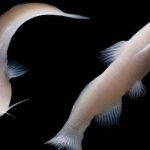
Rare blindcat found in US, could prove water-filled caves connect Texas and Mexico
The extremely rare cave-dwelling albino fish with no eyes, the Mexican blindcat, has previously only been known to exist in Mexico.
Link to full source:...

10 magical places saved by endangered species
In our efforts to save animals at risk of extinction, we've saved some extraordinary places as well.
Link to full source: 10 magical places saved...