

May 31st, 2019
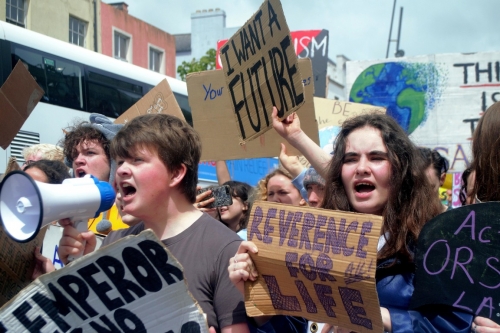
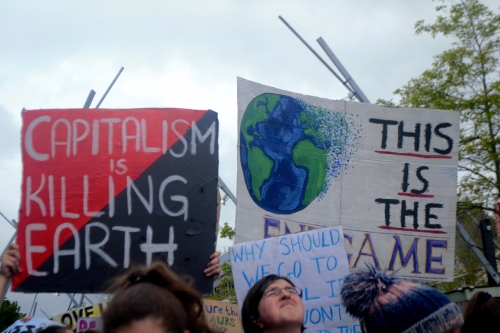
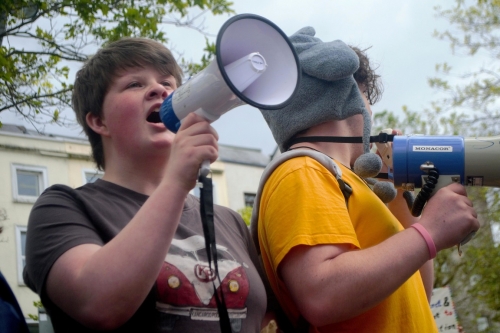
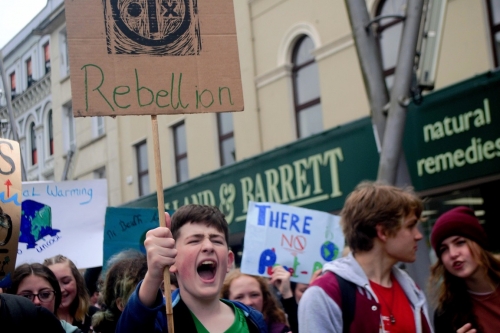
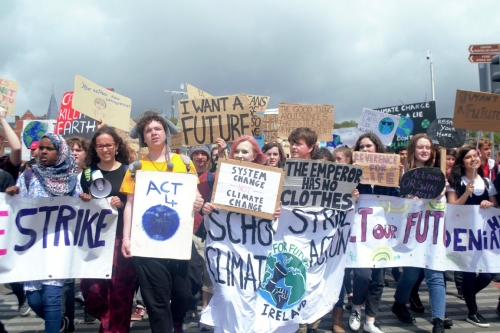
Last Friday, I was down in Lisdoonvarna for the global climate strike. The children in Mary Immaculate Secondary School were celebrating their win in the ECO-UNESCO Young Environmentalist competition.
The entire town had mobilised – and many were out at 9am in
the morning to march down the main street with the children demanding climate
action.
Following the march, we all gathered in the town Pavillion
together with Seamus Walsh and Evelyn Cusack of Met Eireann for a morning
reflecting on the science of climate change and the impact it is going to have
on North Clare.
The prize winners presented their excellent project:
“Communicating Climate Change in North Clare”. It was a short documentary film
– which should be compulsory viewing for everyone – made by the children over
the course of the year.
The film is based on a thorough examination of the climate
science, as well as local knowledge, and provides a comprehensive overview of
the current and projected impacts of climate change on this small, yet
extraordinarily unique, part of the West of Ireland.
The film outlines the expected impacts of a projected 3 or 4 C rise in temperature by the end of the century if emissions continue on their current trajectory.
These include sea level rise of over one metre, coastal erosion due to more intense storms, and flooding of the Burren cave system. One projection saw the complete isolation of parts of North Clare into an island and the loss of towns like Lahinch and Liscannor.
Moreover, the projected damage to a unique habitat was striking – rising temperatures would allow the introduction of invasive species, such as the red lily beetle, and increase the incidence of blue tongue virus in cattle. Many species of wildflower would be wiped out. By all accounts, what the children presented was terrifying.
The presentation struck me as the starkest picture of the
climate and biodiversity emergency facing Ireland that I have ever seen. Through
a thorough analysis, a group of third year students had done it in a way that
brought the issues to life in terms of actual physical places, homes on cliff
tops, coastal infrastructure, species, cultural landmarks, and futures all at
risk.
They brought climate change home. What they presented was
not fantasy – but science. It is a real emergency. One of the fathers who spoke
after the film almost broke down in tears: “why is it our children are the ones
who have to tell us this truth? I am so sorry – I am ashamed as an adult to be
putting this onto you.”
Returning from County Clare, and seeing the upsurge in support for climate action in the local and European elections, I wonder what comes next for Ireland.
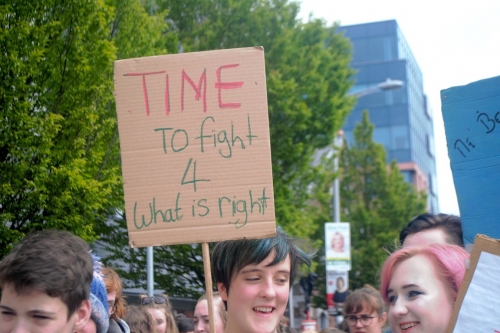
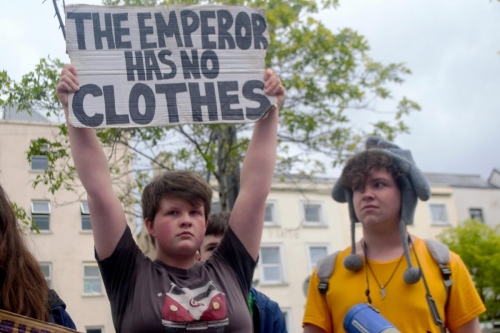
Weekly climate strikes in Ireland have been going on now for
26 weeks – half a year. On the whole, the weekly strikers are a small but
steadfast band of strikers of all ages. Together with the big school protests,
these strikes are clearing having an impact as the results of the elections
showed.
Young people may not have votes, but they have voices – and
they have adults prepared to vote on their behalf. The ‘grey green vote’ became
a phenomenon in this election, perhaps for the first time, grandparents ‘gifting
their vote’ to the next generations.
Now, however, a step change is needed. In the coming weeks, Minister Bruton will present his All of Government Plan on Climate Action – and expectations are high.
The stark reality of the climate and biodiversity emergency, so eloquently articulated by the pupils of Mary Immaculate Secondary School, must be reflected in the thinking and actions of government and every county council across the country.
As a start, it would be fitting if each newly elected
council started out in June by declaring a climate and biodiversity emergency –
and then acting on it. Such declarations are not fanciful or symbolic. They
require robust analysis, investment and forward planning. The climate emergency
must move to centre stage and shape all levels of decision-making in the next
five years.
And the climate protests must grow stronger. There may have
been an upsurge in support for green policies, but we remain far behind many
European countries in making the hard, but necessary choices for a safe future.
Many more people need to engage with the protests, recognising that there are
no homes, no jobs and no safe futures in a rapidly warming Ireland.
The climate emergency is everyone’s emergency as it is about all our futures. In view of the global general strike planned for 20th September, it is essential that we broaden the base and engage many more people, organisations and groups to join us in campaigning for a safe future.
By Lorna Gold
Lorna is the Head of Policy and Advocacy and author of the new book Climate Generation: Awakening to Our Children’s Future. You can follow her progress at https://lornagold.com.
The post Time for all councils to declare climate and biodiversity emergency appeared first on Green News Ireland.