

July 3rd, 2019
A new report from the Irish Wetland Bird Survey has found that the numbers of wintering waterbirds in Ireland have declined by 15 per cent in recent years.
The
majority of waterbird species assessed by the survey, coordinated by
BirdWatch Ireland, are showing significant declines over the last
five years, with some species showing long term population declines.
According to the survey results, key pressures negatively affecting waterbird populations include hunting, illegal killing, agriculture and forestry, fisheries by-catch, urbanisation, and poor water quality.
Large-scale
climatic changes are also causing shifts in distribution, it states,
meaning birds from the north-east no longer need to travel as far as
Ireland to find suitable wintering grounds.
“Changes in temperature, precipitation levels, and sea level all greatly increase the risk of a temporal or spatial ecological mismatch occurring, which may have deleterious effects on bird populations,” the report adds.
The report also states that while existing onshore windfarms have been considered a low-level pressure to Irish waterbirds to date, the expected large scale roll out of new renewable energy developments must be “located sensitively so as to avoid deleterious ecological impacts”.
“The processes for acquiring planning permissions in Ireland for such developments should protect designated SPA sites and their listed waterbirds from the impacts of windfarm developments,” the report states.
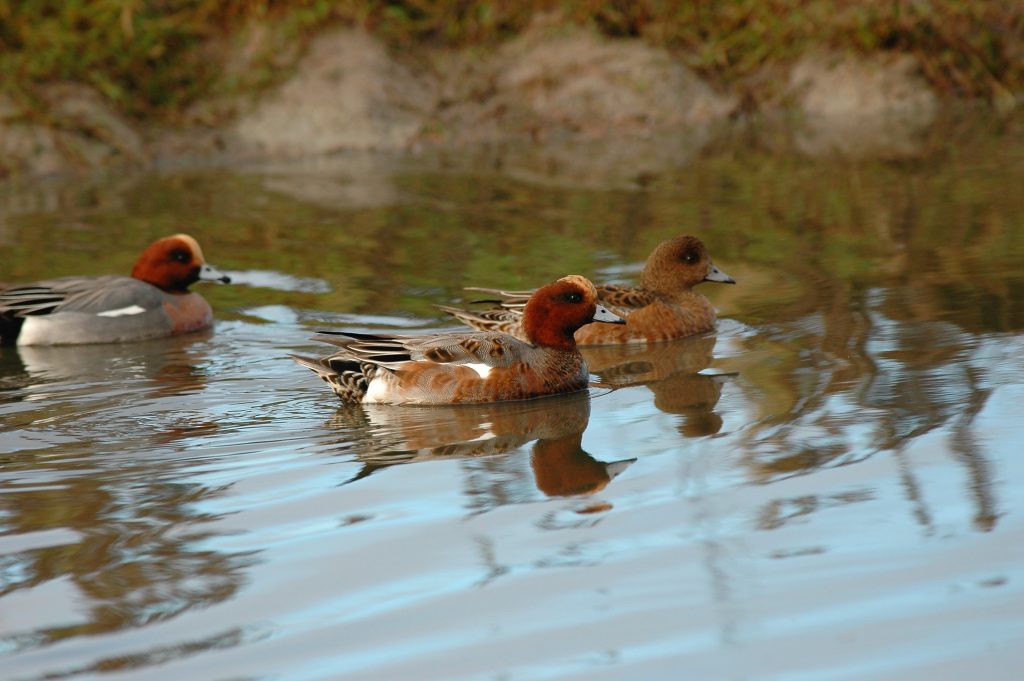
Populations of diving ducks such as Goldeneye, Pochard and Scaup, for example, are down over 50 per cent in just the last two decades. In addition, the populations of Wigeon wintering in Ireland have declined by almost 40 per cent in the 22 year period assessed.
The
populations of Greater Scaup has almost wiper out, declining by 98
per cent. The species breeds across northern Europe and western
Siberia and winters in western Europe, including Ireland. Wintering
Bewick’s Swan populations in Ireland also declined by almost 99
from 1990 to 2015
Each
winter, Ireland hosts over 50 per cent of the population of Greenland
White-fronted Goose, which, as their name suggests, breed in
Greenland. The wintering population in Ireland has declined by almost
21 per cent from 1993 to 2018, however, the report finds.
The
Whooper Swan, which migrate from breeding grounds in Iceland,
conversely, have increased by 39 per ent from 1991 to 2015, with
Black-tailed
Godwits also
up
77 per cent.
Dr Seán
Kelly of the National Parks and Wildlife Service said that the survey
findings make for “real cause for concern” given the importance
of Ireland’s wetlands for waterbirds nationally and
internationally.
He said
that while climate change is havign an impact, population declines
are also related to the “management and use of wetlands here in
Ireland”.
Speaking before the Joint Oireachtas Committee on Heritage yesterday, BirdWatch Ireland’s assistant head of policy and advocacy Oonagh Duggan said that populations of a host of birds, including iconic species such as the Barn Owl and Curlew, have been “decimated” over the past few decades.
She
said that climate change, the intensification of the agricultural
industry, habitat loss, and plastic pollution are all contributing to
the decline in numerous terrestrial and sea birds.
The
survey is the principal tool used in the monitoring of wintering
waterbirds in Ireland and the conservation management of the wetland
sites upon which they rely.
Over the past 25 years, 900 volunteer counters and staff from both the National Parks and Wildlife Service and BirdWatch Ireland have contributed tens of thousands of hours to the survey.
About the Author

The post Significant decline in wintering waterbird populations, report finds appeared first on Green News Ireland.