

February 3rd, 2020
After almost a decade out of power, Fianna Fail is vying to
govern again. The party previously ruled in the ill-fated coalition with the
Green Party in the late 2000s, but did it pick up any green tricks from its
partners?
As we enter the final week of the election cycle, where does the party stand on climate and biodiversity and how has it reacted to the rolling green wave and mounting environmental activism? We took a look at the party’s manifesto to find out.
Biodiversity
The 119 targeted actions in the National Biodiversity Plan
would be delivered if it is elected, according to the Fianna Fail manifesto and
the party would allocate a €10 million to a biodiversity fund to protect
natural heritage and support environmental NGOs.
The National Parks and Wildlife Service would also receive a
further €25 million by 2025 and the party would launch a national re-wilding
plan across the Office of Public Works and local authority parks.
In order to preserve marine biodiversity, the party also
pledges to introduce an Oceans Act to protect the country’s seas. The Irish
Wildlife Trust noted that the manifesto held “some pretty concrete actions for
nature” and that the document contained “substantial commitments”.
The party will “fully invest’ in Flood Risk Management Plans and review insurance issues in affected areas, but not specify how or when.
Forestry
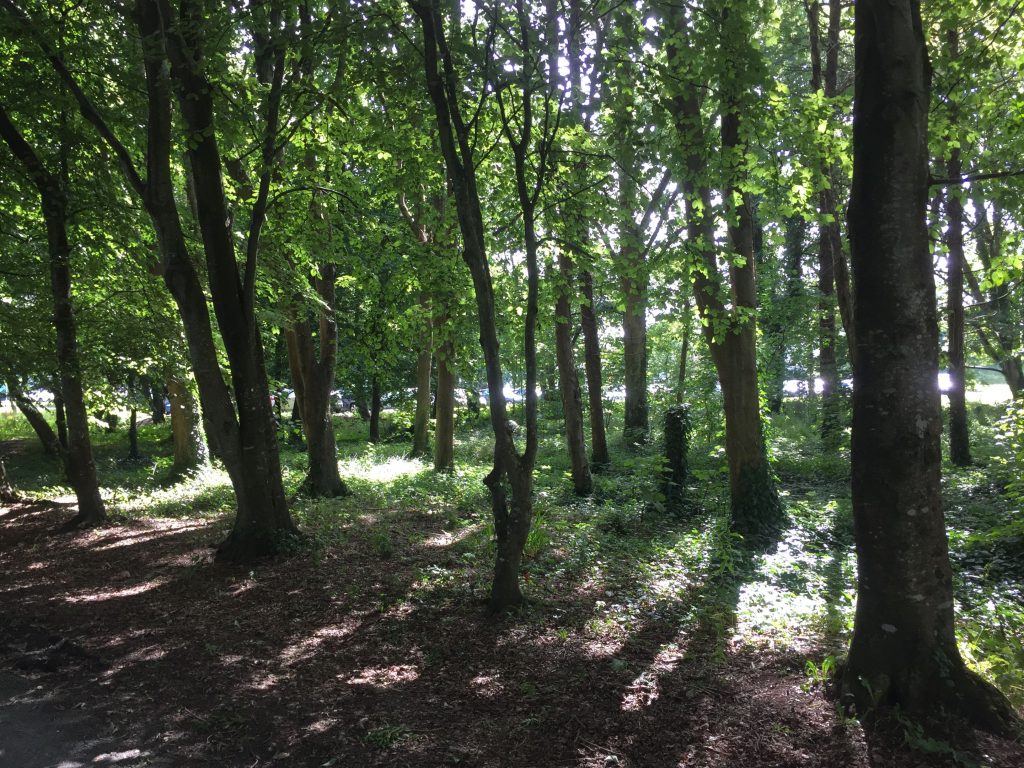
The party says that it is “paramount” to incentivize the
planting of native trees alongside a “balanced regional afforestation policy”
and that the new Climate Action Council once formed should conduct a “thorough
review” of state forestry with “respect to climate change”.
The party wants to ensure that 30 per cent of trees planted
in afforestation projects are broadleaf species in line with Ireland’s national
target for EU state aid approval for forestry.
If elected, the party plans incentivize broadleaf planting
with €5.8 million, but does not go into any detail on any plans to move away
from the clear-fell plantation model in Ireland.
Fianna Fail also pledge to work at a regional EU level to have hedgerow recognized as a “carbon sink”. The 660,000 kilometres of Irish hedgerow are currently being studied for carbon sequestration capacity. The results are expected to be released next year.
Agriculture
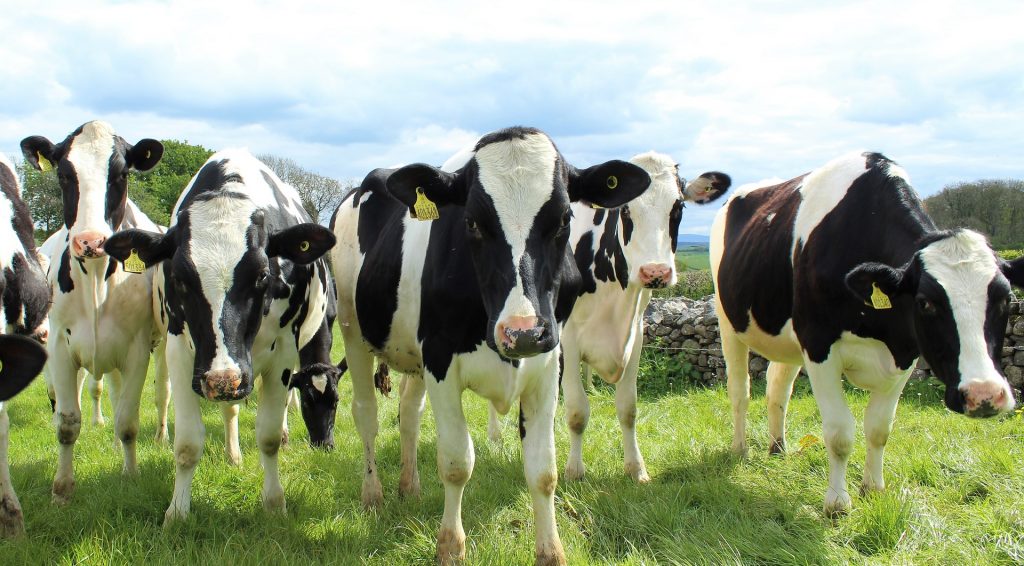
Separate to its climate manifesto section, Fianna Fail says
agriculture should be economically and environmentally sustainable. With
agriculture making up one-third of total state emissions, the industry is far
from it.
The party wants to see the state-led Climate Action Fund
geared towards preparing the sector for “Ireland’s transition to a low carbon
economy” but the manifesto falls far short of the measures required to
radically reduce emission in Ireland’s largest emitting sector.
In the same vein as Fine Gael, the party proposes working
with Teagasc to identify “further measures” in reigning in agriculture’s carbon
footprint over the next decade, but makes no mention of a national herd
reduction which currently stands at over seven million.
The manifesto goes on to commit Fianna Fail to reducing ammonia emissions through the use of low emission slurry spreading equipment and to creating a national strategy for bio-gas production. There has been a very low rate of uptake of equipment to date, however, as farmers raise concern with the high cost of the equipment and soil compaction issues.
Energy
Fianna Fail also shares Fine Gael’s goal of having 70 per
cent of electricity powered by renewable sources.
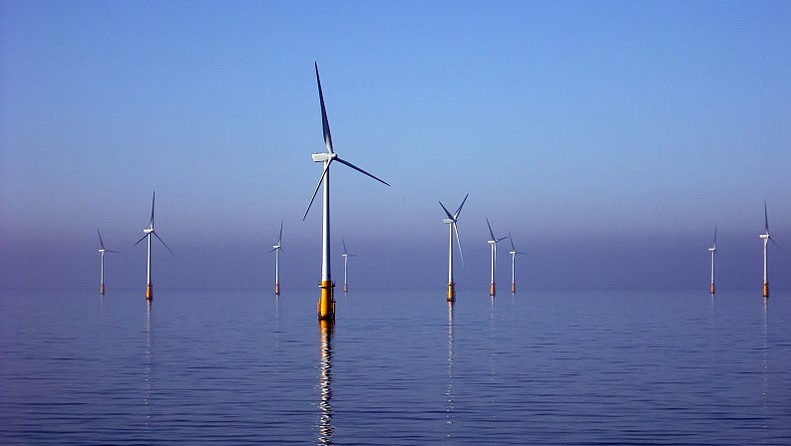
In order to do so, the party wants to prioritize “the rapid
development and deployment of offshore wind energy” and commits to revising
planning and grid connection policies in local consultation. Legislation would
also be introduced to encourage energy microgeneration and benefit schemes for
communities developing renewable energy, the party says.
Fianna Fail also pledges to “phase out fossil fuels” by
“establishing a pathway” to phase out all fossil fuel exploration licences in
Irish waters with an “appropriate sunset mechanism for those already in place”.
The pledge comes after a year of political clashes over the
Climate Emergency Measures Bill, which sought to amend the Petroleum and Other
Minerals Development Act to limit the issuing of new licences for the
exploration of fossil fuels.
The party also wants to keep a national ban on fracking in place, however, several of its candidates have offered mixed messages on whether the party is in support of the Shannon LNG project that would almost certainly see fracked US gas imported into Ireland.

Transport
If elected, Fianna Fail hope to create a new National
Infrastructure Commission and “rigorously” implement the National Development
Plan that retains road infrastructure at its core in terms of transport
infrastructure.
The Commission would be tasked with overseeing a long-term
plan for decarbonisation and establishing a “strong transport network” that
balances the economy and rural development.
The party pledges to prioritize the electrification of rail,
free public transport for children and to increase funding for the urban
national cycling strategy by €50 million.
Fianna Fail want to accelerate the roll out of fast charging points for electric vehicles, boost e-car sales through SEAI grants, and to see diesel cars banned in cities by the end of the decade. By 2035, the party wants a “complete removal” of fossil fuel cars from our roads.
Carbon Tax and
Retrofitting
Fianna Fail shares Fine Gael’s approach to a price on
carbon, and aims to see an €80 per tonne tax by the end of the decade. However,
the party is not clear in its manifesto by how much the tax should increase per
annum.
The Climate Change Advisory Council has recommended a €15
per tonne hike for 2020, which Fine Gael failed to meet with its latest budget
that saw the tax increase by only €6.
The money generated from the carbon tax, Fianna Fail goes on
to say, must be invested into a Just Transition fund that would address fuel
poverty and the retrofitting of social housing. At present, around €400 million
raised per year from the carbon tax remains in the general exchequer fund.
The party would establish a Green Homes Agency if elected, which would oversee the retrofitting of homes and would be financed by both European and private finance. The installation of new fossil-fuel based heating systems in public buildings will be banned “unless necessary”. The document does not disclose what conditions would make it so.
About the Author

The post Manifesto Watch: Fianna Fail on climate and biodiversity appeared first on Green News Ireland.