

February 3rd, 2020
Over the past three
weeks, as in all election cycles, we have become accustomed to the knock at the
door from canvassers or candidates themselves are they vie for our number one
at the ballot box.
We have asked leading
climate and biodiversity experts to tell us the key policy asks that they have raised
with candidates when they come a-knocking.
Next up is Féidhlim Harty, the director of FH Wetland Systems, an environmental consultancy company specialising in wetland and willow system design based in Co Clare. He is also the author of Septic Tank Options and Alternatives; Permaculture Guide to Reed Beds; and most recently Towards Zero Waste – How to Live a Circular Life. Féidhlim is also a member of Feasta.
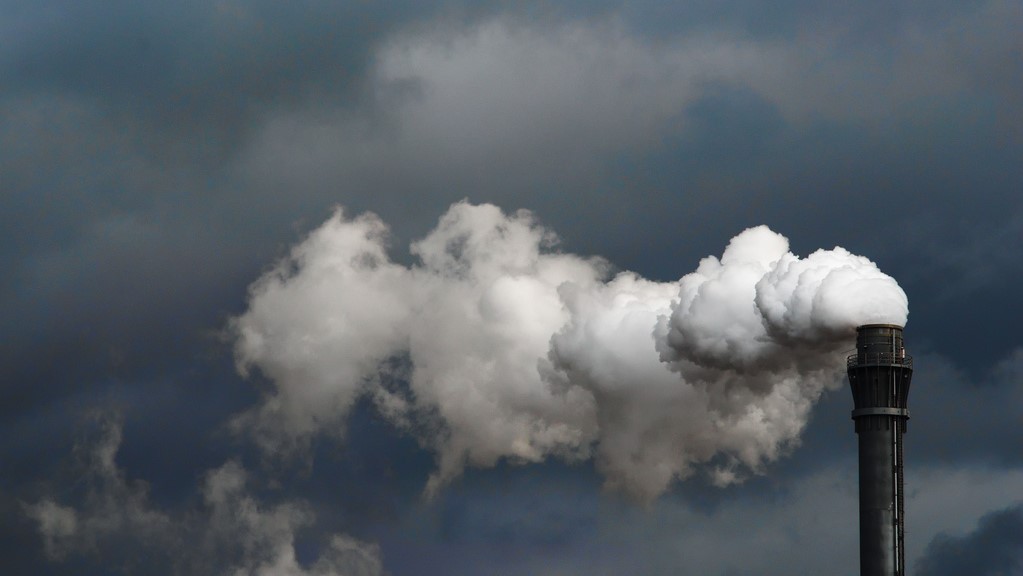
Bring in measures to Cap Global Carbon
The climate measure Cap Global Carbon
does what it says on the tin – capping coal, oil and gas production at the
source rather than trying to mop up emissions after burning them. CGC is an
initiative of international think-tank Feasta that places an ever reducing
global cap on the amount of fossil fuel that can be extracted each year,
thereby providing real emissions reductions to help contain the worst impacts
of climate breakdown.
Under the Feasta CGC proposals,
fossil fuel extraction companies buy a licence from an independent Global
Climate Commons Trust to permit them to extract oil, coal or gas. Extra costs
are passed on to the final customers, but in turn the net proceeds of the
process are distributed equally to the people of the world, or used for their
benefit.
In this way, global fossil fuel production would be reduced year on year, based on the best science available, and the process inherently encourages greater global justice and equality, as well as innovation in those services and technologies that are zero- or low-energy input.
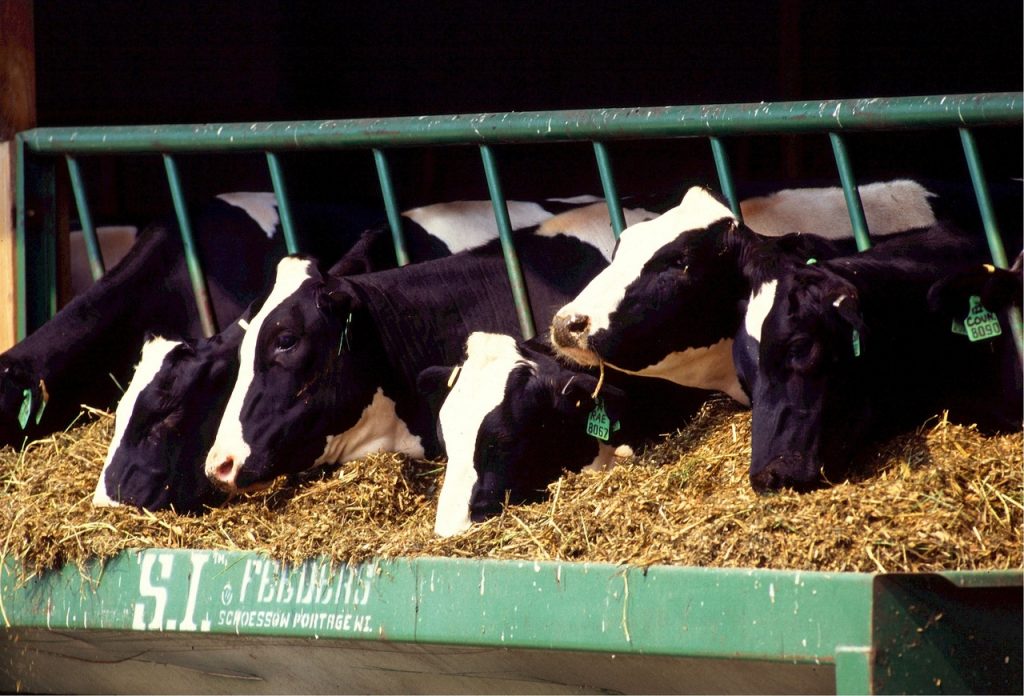
Reform our agricultural grant scheme
Agriculture and soils can be our largest
carbon sink rather than our largest emissions source and shifts in land
management are vital to achieve this. It could also be our greatest boon for
biodiversity, rather than the opposite. Here are some areas that need focus:
(a) Farming for climate – currently our
standard farming practices such as ploughing, tilling, importing cattle feed,
conventional animal farming and applying artificial nitrogen all contribute to
atmospheric greenhouse gases. By rewarding management practices such as no-till
farming, continuous cover planting, agroforestry, farm scale permaculture,
holistic grazing management and composting rather than chemical use, we can
reverse the ecological impact of our farming sector.
(b) Farming for water quality and flood
control – this could be easily achieved by introducing buffer zones along
watercourses, including grassed buffer zones, wetlands or wooded areas designed
and created to filter field runoff and protect adjacent waterways. Even wide
hedgerows planted along steep contours can greatly improve infiltration of
heavy rainfall into the soil and help to filter and replenish groundwater
rather than allowing rapid surface flows into nearby streams and drains.
(c) Farming for soil health – at present the
use of agrochemicals and artificial fertilisers takes a huge toll on the very
soil organisms that help grow healthy food. By using natural soil
amendments such as compost instead, we can build soil, support the great
diversity of soil life, have healthier food and a healthier population, and
build in both drought resilience and flood prevention.
(d) Farming for biodiversity – the current
Pillar 1 grants under the EU Common Agricultural Policy system reduce farm
payments for any wild habitat space such as wetlands, woodlands, wide hedges
and the like. In order to reverse the current pressures on our wildlife we need
to reverse the payment structures and fund the availability of habitat
protection, creation and restoration. We’ve lost wildlife at a shocking rate
and urgently need to take biodiversity seriously, both for its own sake and for
the many benefits it brings us.
The post What the Experts want from GE2020 – Féidhlim Harty appeared first on Green News Ireland.