


A combined defense of different chemical defense substances could result in a negative interaction and mutual detoxification, according to a new study on the wild tobacco species Nicotiana attenuata and one of its specialized herbivores. Chemical analyses of frass revealed that larvae of the tobacco hawkmoth Manduca sexta are able to split off components of one defense substance and use them to detoxify another. However, tobacco plants have also developed a counter-strategy to minimize the mutual detoxification of their defenses: They avoid producing the two substances involved in detoxification simultaneously in high concentrations.
Latest news
Popular Articles
Gorillas, rhinos, lions and more will soon become extinct without immediate action
A report by 43 wildlife experts warns that without changes now, many of Earth's most iconic species will be lost forever.
Link to full source:...
Do you see a devil in this orchid?
Named for 'el diablo' himself, a new and extremely rare orchid species reveals a wicked heart.
Link to full source: Do you see a devil...
Florida man arrested for stealing sea turtle eggs
He's given a whole new meaning to "poached eggs."
Link to full source: Florida man arrested for stealing sea turtle eggs
Rare blindcat found in US, could prove water-filled caves connect Texas and Mexico
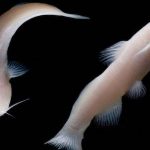
The extremely rare cave-dwelling albino fish with no eyes, the Mexican blindcat, has previously only been known to exist in Mexico.
Link to full source:...
10 magical places saved by endangered species
In our efforts to save animals at risk of extinction, we've saved some extraordinary places as well.
Link to full source: 10 magical places saved...