






Transplants can save dying coral reefs, but genetically diverse donors are key
Study uses lab-grown coral clones to determine why some coral thrive when transplanted onto coral reefs and others die.

Fossil site reveals giant arthropods dominated the seas 470 million years ago
Discoveries at a major new fossil site in Morocco suggest giant arthropods -- relatives of modern creatures including shrimps, insects and spiders -- dominated...

Cabbage white butterflies utilize two gut enzymes for maximum flexibility in deactivating mustard oil...
Researchers report that larvae of the cabbage white butterfly use two gut enzymes to effectively disarm the mustard oil bomb, the major chemical defense...

Extinct ‘monkey lemur’ shows similarities to fossil humans
Analysis of teeth of extinct lemurs has revealed fascinating clues to the evolution of humans, a new study has found.

An integrated, net-negative system captures carbon and produces ethylene
Engineers have built a machine that captures carbon from flue gas and converts it to ethylene. The device integrates a carbon capture system with...

Signals from the ionosphere could improve tsunami forecasts
The powerful volcanic eruption in January 2022 created ripple effects throughout the world's atmosphere and oceans. Analysis of the Hunga Tonga eruption shows how...

Microplastic pollution swirling in city air: Millions of plastic bottles per year
Researchers calculated that 74 metric tons of microplastics are dropping out of the atmosphere onto the city annually, the equivalent of more than 3...

Eco-friendly paint most effective against fouling on ships and boats
Emissions from copper-based antifouling paints are a well-known environmental problem. As much as 40 percent of copper inputs to the Baltic Sea come from...

Fossil-sorting robots will help researchers study oceans, climate
Researchers have developed and demonstrated a robot capable of sorting, manipulating, and identifying microscopic marine fossils. The new technology automates a tedious process that...

Good vibrations turbo charge green hydrogen production
Engineers have used sound waves to boost production of green hydrogen by 14 times, through electrolysis to split water.
Latest news


Popular Articles

Gorillas, rhinos, lions and more will soon become extinct without immediate action
A report by 43 wildlife experts warns that without changes now, many of Earth's most iconic species will be lost forever.
Link to full source:...

Do you see a devil in this orchid?
Named for 'el diablo' himself, a new and extremely rare orchid species reveals a wicked heart.
Link to full source: Do you see a devil...

Florida man arrested for stealing sea turtle eggs
He's given a whole new meaning to "poached eggs."
Link to full source: Florida man arrested for stealing sea turtle eggs
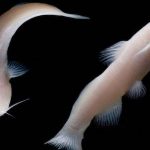
Rare blindcat found in US, could prove water-filled caves connect Texas and Mexico
The extremely rare cave-dwelling albino fish with no eyes, the Mexican blindcat, has previously only been known to exist in Mexico.
Link to full source:...

10 magical places saved by endangered species
In our efforts to save animals at risk of extinction, we've saved some extraordinary places as well.
Link to full source: 10 magical places saved...