






Climate change could trigger the Congo peatlands to release billions of tons of carbon
New research reveals that the world's largest tropical peatland turned from being a major store of carbon to a source of damaging carbon dioxide...

Why fish look down when they swim
New simulations show that fish look downward when they swim because the stable riverbed below them provides more reliable information about their swimming direction...

New 3D model shows how cadmium exposure may affect heart development
Researchers have developed a three-dimensional model that shows how exposure to cadmium might lead to congenital heart disease. Affecting nearly 40,000 newborns a year,...

Ambrosia beetles breed and maintain their own food fungi
A recent experiment provides evidence of a bark beetle species' agricultural capability. The fruit-tree pinhole borer can suppress the growth of weed fungi and...

Permanent daylight saving time would reduce deer-vehicle collisions, study shows
Researchers have found that adopting permanent Daylight Savings Time in the United States would reduce deer-vehicle collisions.

Cellular mechanisms explain differences in species biology and help us understand their evolution
Researchers have published a comprehensive study on the significance of species differences for the most central cell maintenance mechanisms. The researchers used the brown...

Now we know how plants steer clear of salt
To avoid salt in soil, plants can change their root direction and grow away from saline areas. Researchers helped find out what makes this...

Clear window coating could cool buildings without using energy
As climate change intensifies summer heat, demand is growing for technologies to cool buildings. Now, researchers report that they have used advanced computing technology...

Ancient DNA analysis sheds light on the early peopling of South America
Using DNA from two ancient humans unearthed in two different archaeological sites in northeast Brazil, researchers have unraveled the deep demographic history of South...

500 million year-old fossils reveal answer to evolutionary riddle
An exceptionally well-preserved collection of fossils discovered in eastern Yunnan Province, China, has enabled scientists to solve a centuries-old riddle in the evolution of...
Latest news


Popular Articles

Gorillas, rhinos, lions and more will soon become extinct without immediate action
A report by 43 wildlife experts warns that without changes now, many of Earth's most iconic species will be lost forever.
Link to full source:...

Do you see a devil in this orchid?
Named for 'el diablo' himself, a new and extremely rare orchid species reveals a wicked heart.
Link to full source: Do you see a devil...

Florida man arrested for stealing sea turtle eggs
He's given a whole new meaning to "poached eggs."
Link to full source: Florida man arrested for stealing sea turtle eggs
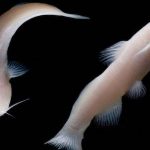
Rare blindcat found in US, could prove water-filled caves connect Texas and Mexico
The extremely rare cave-dwelling albino fish with no eyes, the Mexican blindcat, has previously only been known to exist in Mexico.
Link to full source:...

10 magical places saved by endangered species
In our efforts to save animals at risk of extinction, we've saved some extraordinary places as well.
Link to full source: 10 magical places saved...