






Mammals switched to daytime activity after dinosaur extinction
Mammals only started being active in the daytime after non-avian dinosaurs were wiped out about 66 million years ago (mya), finds a new study.

Early bloomers: Statistical tool reveals climate change impacts on plants
Scientists announce statistical tool to extract information from current and historical plant data.

Potential ‘missing link’ in chemistry that led to life on Earth discovered
Chemists have found a compound that may have been a crucial factor in the origins of life on Earth, explains a new report.

Protecting ‘high carbon’ rainforest areas also protects threatened wildlife
Protecting 'high carbon' rainforest areas also protects threatened wildlife.

Swapping where crops are grown could feed an extra 825 million people
Redrawing the global map of crop distribution on existing farmland could help meet growing demand for food and biofuels in coming decades, while significantly...

Caribbean islands reveal a ‘lost world’ of ancient mammals
An analysis of the incredibly diverse “lost world” of Caribbean fossils includes dozens of ancient mammals, a new study by an international team of...

Higher air pollution in Chinese cities tied to higher mortality rate
New research examined the burden of air pollution and its association with mortality in Chinese cities.

Breaking the chain: Catalyzing a green future for chemistry
Researchers create catalyst for refining chemicals in plant waste, allowing a green way to produce valuable raw materials.

Drinking glasses can contain potentially harmful levels of lead and cadmium
Enamelled drinking glasses and popular merchandise can contain more than 1000 times the limit level of lead and up to 100 times the limit...

Saving seagrasses from dredging as new research finds solutions
Timing of dredging and finding an 'ecological window' is the key to helping preserve one of the world's most productive and important ecosystems --...
Latest news


Popular Articles

Gorillas, rhinos, lions and more will soon become extinct without immediate action
A report by 43 wildlife experts warns that without changes now, many of Earth's most iconic species will be lost forever.
Link to full source:...

Do you see a devil in this orchid?
Named for 'el diablo' himself, a new and extremely rare orchid species reveals a wicked heart.
Link to full source: Do you see a devil...

Florida man arrested for stealing sea turtle eggs
He's given a whole new meaning to "poached eggs."
Link to full source: Florida man arrested for stealing sea turtle eggs
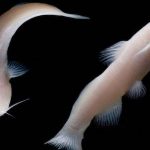
Rare blindcat found in US, could prove water-filled caves connect Texas and Mexico
The extremely rare cave-dwelling albino fish with no eyes, the Mexican blindcat, has previously only been known to exist in Mexico.
Link to full source:...

10 magical places saved by endangered species
In our efforts to save animals at risk of extinction, we've saved some extraordinary places as well.
Link to full source: 10 magical places saved...