






Keratin, proteins from 54-million-year-old sea turtle show survival trait evolution
Researchers have retrieved original pigment, beta-keratin and muscle proteins from a 54-million-year-old sea turtle hatchling. The work adds to the growing body of evidence...

Oysters offer hot spot for reducing nutrient pollution
Marine scientists have quantified potentially denitrifying bacteria in the oyster gut and shell, with important implications for efforts to reduce nutrient levels in coastal...

Link between forest fire smoke and pollution events discovered
Smoke from forest fires might contribute to more than half of certain gritty air pollution events in the continental U.S. during the summer, and...

Toward efficient high-pressure desalination
One of the biggest operational challenges for desalination plants is the fouling of membranes by microbes. New research suggests a novel approach to reducing...

Dinosaur dung fertilizes planet, new research shows
Dinosaurs were, and large animals are, important not for the quantity of dung they produce, but for their ability to move long distances across...

Bite on this: Alligators actually eat sharks
Jaws, beware! Alligators may be coming for you. A new study documents American alligators on the Atlantic and Gulf coasts are eating small sharks...

When lemons give you life: Herpetofauna adaptation to citrus orchards in Belize
Reptile and amphibian communities exhibit a promising level of resilience to agricultural lands. In a new study, herpetologists compared forested areas to manicured citrus...

Harvey runoff menaces Texas’ coral reefs
The more than 13 trillion gallons of floodwater from Hurricane Harvey have created a massive plume of freshwater in the Gulf of Mexico that...

Fanged kangaroo research could shed light on extinction
Fanged kangaroos -- an extinct family of small fanged Australian kangaroos -- might have survived at least five million years longer than previously thought....

Cocktail tests on toxic waste called for
Surprisingly low concentrations of toxic chemicals -- from fungicides to antidepressants -- can change the way some aquatic creatures swim and feed, according to...
Latest news


Popular Articles

Gorillas, rhinos, lions and more will soon become extinct without immediate action
A report by 43 wildlife experts warns that without changes now, many of Earth's most iconic species will be lost forever.
Link to full source:...

Do you see a devil in this orchid?
Named for 'el diablo' himself, a new and extremely rare orchid species reveals a wicked heart.
Link to full source: Do you see a devil...

Florida man arrested for stealing sea turtle eggs
He's given a whole new meaning to "poached eggs."
Link to full source: Florida man arrested for stealing sea turtle eggs
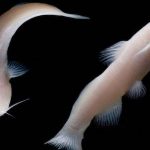
Rare blindcat found in US, could prove water-filled caves connect Texas and Mexico
The extremely rare cave-dwelling albino fish with no eyes, the Mexican blindcat, has previously only been known to exist in Mexico.
Link to full source:...

10 magical places saved by endangered species
In our efforts to save animals at risk of extinction, we've saved some extraordinary places as well.
Link to full source: 10 magical places saved...