






Tiny bacterium provides window into whole ecosystems
Research on Prochlorococcus, the most abundant life form in the oceans, shows the bacteria's metabolism evolved in a way that may have helped trigger...

Night lights, big data: Tool shows relationship between night-time lights and socio-economic factors
Researchers have developed an online tool that incorporates 21 years of night-time lights data to understand and compare changes in human activities in countries...

Can intergenerational cooperation defeat climate change?
Older adults are powerful allies in addressing climate change, say researchers. Research shows that older adults are at risk for the effects of extreme...

A seismic mapping milestone
Using advanced modeling and simulation, seismic data generated by earthquakes, and one of the world's fastest supercomputers, a team of scientists is creating a...

Rescuing 11 Asian Elephants from a mud hole
The rescue of 11 Asian Elephants (Elephas maximus) from a mud hole inside the Keo Seima Wildlife Sanctuary, Mondulkiri Province, Cambodia, on 24th March...

It’s not too late to conserve water resources in rapidly urbanizing areas
As climate change and population pressure intensify in suburbia, a new study by a watershed scientist suggests that threats such as water shortages and...

Forests fight global warming in ways more important than previously understood
Trees impact climate by regulating the exchange of water and energy between Earth's surface and the atmosphere, an important influence that should be considered...

EPA’s controlled human exposure studies of air pollution are warranted
A new report finds these studies are warranted and recommends that they continue under two conditions: when they provide additional knowledge that informs policy...

Mustard seeds without mustard flavor
Researchers have successfully developed a new oilseed crop that is much more resistant to heat, drought and diseases than oilseed rape.

Secret of nanomaterial that makes harvesting sunlight easier
Using sunlight to drive chemical reactions, such as artificial photosynthesis, could soon become much more efficient thanks to nanomaterials.
Latest news


Popular Articles

Gorillas, rhinos, lions and more will soon become extinct without immediate action
A report by 43 wildlife experts warns that without changes now, many of Earth's most iconic species will be lost forever.
Link to full source:...

Do you see a devil in this orchid?
Named for 'el diablo' himself, a new and extremely rare orchid species reveals a wicked heart.
Link to full source: Do you see a devil...

Florida man arrested for stealing sea turtle eggs
He's given a whole new meaning to "poached eggs."
Link to full source: Florida man arrested for stealing sea turtle eggs
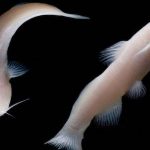
Rare blindcat found in US, could prove water-filled caves connect Texas and Mexico
The extremely rare cave-dwelling albino fish with no eyes, the Mexican blindcat, has previously only been known to exist in Mexico.
Link to full source:...

10 magical places saved by endangered species
In our efforts to save animals at risk of extinction, we've saved some extraordinary places as well.
Link to full source: 10 magical places saved...