






Earth’s first example of recycling — its own crust!
Rock samples from northeastern Canada retain chemical signals that help explain what Earth's crust was like more than 4 billion years ago.

Is spring getting longer? Lengthening ‘vernal window’
When spring arrives, temperatures begin to rise, ice is melts, and the world around us starts to blossom. Scientists sometimes refer to this transition...

Preventing lead spread
While lead pipes were banned decades ago, they still supply millions of American households with water each day. A team of engineers has developed...

Mating mix-up with wrong fly lowers libido for Mr. Right
If you've ever suffered a nightmare date and were hesitant to try again, fruit flies can relate. Female flies that have been coerced into...

From space to the streets: New battery model also makes electric cars more reliable
Nano satellites weighing just a few kilograms orbit the Earth. Pivotal point of these miniature computers are their solar-powered batteries. Computer scientists have now...

Multi-year study finds ‘hotspots’ of ammonia over world’s major agricultural areas
Fertilizers, animal waste, changes to atmospheric chemistry and warming soils are all tied to increased ammonia over US, Europe, China and India, say researchers...

Protecting ice memory
Collecting ice cores from high-mountain glaciers most at risk from climate change and storing them in Antarctica for future generations of scientists: that is...

Only the tip of the iceberg: Monitoring programs underestimate human impact on biodiversity
Whether orchids or mammals, insects or slugs and snails: nowadays there are a large number of animals and plants under observation. Unfortunately, the collection...

Outwitting climate change with a plant ‘dimmer’?
Plants possess molecular mechanisms that prevent them from blooming in winter. Once the cold of winter has passed, they are deactivated. However, if it...

Pattern of mammal dwarfing during global warming
More than 50 million years ago, when the Earth experienced a series of extreme global warming events, early mammals responded by shrinking in size....
Latest news


Popular Articles

Gorillas, rhinos, lions and more will soon become extinct without immediate action
A report by 43 wildlife experts warns that without changes now, many of Earth's most iconic species will be lost forever.
Link to full source:...

Do you see a devil in this orchid?
Named for 'el diablo' himself, a new and extremely rare orchid species reveals a wicked heart.
Link to full source: Do you see a devil...

Florida man arrested for stealing sea turtle eggs
He's given a whole new meaning to "poached eggs."
Link to full source: Florida man arrested for stealing sea turtle eggs
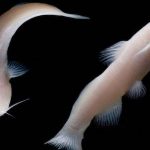
Rare blindcat found in US, could prove water-filled caves connect Texas and Mexico
The extremely rare cave-dwelling albino fish with no eyes, the Mexican blindcat, has previously only been known to exist in Mexico.
Link to full source:...

10 magical places saved by endangered species
In our efforts to save animals at risk of extinction, we've saved some extraordinary places as well.
Link to full source: 10 magical places saved...