


December 12th, 2019
Ireland’s demand for energy is rising in line with economic growth, the latest data from the national energy authority shows.
According to the Sustainable
Energy Authority of Ireland (SEAI), the demand for energy across the country
rose by 4.5 per cent last year in line with economic growth of 1.7 per cent as
measured by Modified Domestic Demand.
This measurement excludes
the impact of trade in aircraft by aircraft leasing companies and trade in research
and delivery service imports and intellectual property.
The latest figures are
contained in the SEAI’s annual Energy in
Ireland report that looks at trends in energy use, emissions, and underlying
driving forces such as the economic factor identified this year.
According to the SEAI figures, transport
continues to dominate our energy use, making up 42 per cent of the total last
year.
Energy used for air travel
increased by almost eight per cent to a new all-time high and now accounts for
21 per cent of total transport energy use, second only to private cars.
Energy use for heat increased at both an industry (4.4 per cent) and household (8.3 per cent) level, with a small percentage linked to slightly colder temperatures than the previous year.
Energy intensity down
Energy-related
CO2 emissions did fall slightly by 1.2 per cent and are now almost one fifth below
2005 levels mainly due to a rise in wind
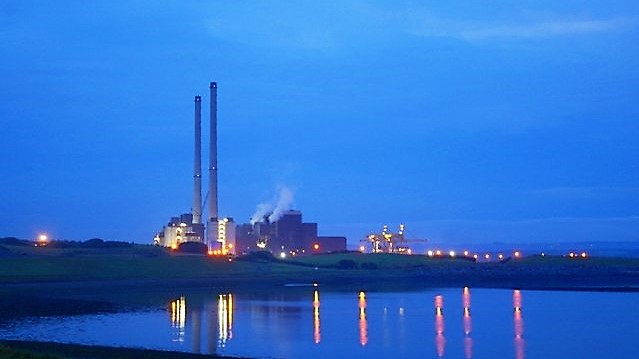
energy combined with a 44 per cent fall in coal use due to a technical
fault at the ESB’s Moneypoint power station.
Data
collated by SEAI shows that the carbon intensity of every unit of electricity fell to a new
low last year due to the transition
to renewable sources that made up one-third of electricity generation.
While we are still short of
our 2020 target for the amount of overall energy produced by renewables, the greater rate of electricity generation from renewable
sources helped us to avoid 4.7 million tonnes in CO2 emissions and €620 million
in fossil fuel imports.
The authority’s new CEO William
Walsh said, however, that the increase
in emissions from transport, business and heating is not coming fast enough to
meet our EU energy-related targets.
“Overall, the rate of emission reductions will
not keep us on track to meet our long-term decarbonisation goals,” he warned. “To
achieve our targets, we need to tackle it in every part of society,” he added,
placing particular emphasis on transport, including air travel.
“Ireland has a significant challenge in the
transport sector. For example, energy use for air travel has reached an
all-time high and is now second only to private cars as a share of transport
energy.
“This is a perfect example of the tug of war between a desire to reduce greenhouse gas emissions on the one hand and the increased energy demands of an improving economy on the other,” Mr Walsh said.
New wind guidelines
This
morning, the Government published
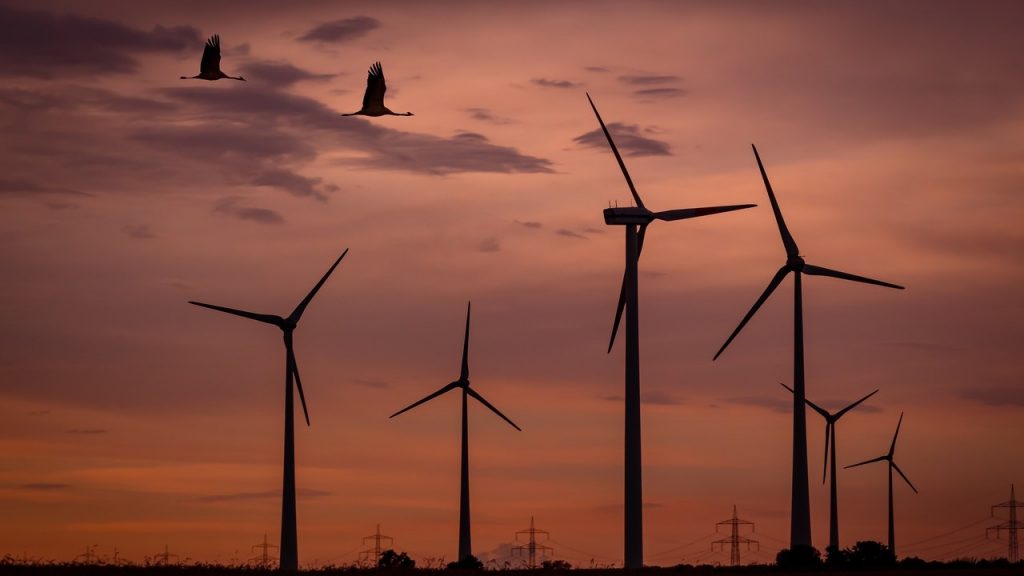
new draft wind development guidelines outlining plans for increased set-back
distances and firmer noise limits, as well as measures to tackle shadow flicker
caused by rotating turbine blades.
Under
the proposed guidelines that are now out for public consultation, it would be
mandatory for wind developers to engage in active public consultation with the
local community at an early stage as well as ensuring economic and social benefit
for locals.
The draft guidelines also outline new planning measures to ensure that both the wind energy development itself and the associated grid connection are assessed in line with requirements under EU law.
Several
recent judgements in Ireland and Europe found that the development and grid
infrastructure must be considered together as one single project when
conducting environmental assessments.
The
Irish Wind Energy Association (IWEA) has already spoken out against the draft guidelines,
with its CEO Dr David Connolly stating this morning that a quick study of the
draft makes it “immediately clear” that they will make it more difficult and more
expensive to develop wind projects.
“We look forward to participating constructively in this consultation in the hope that a final set of guidelines, based on scientific evidence, can find a more appropriate balance between the concerns of those opposed to wind farms and the need to take action on climate change,” he said.
About the Author

The post Ireland failing to decouple emissions from economic growth, SEAI appeared first on Green News Ireland.