


After days of discussions at the climate talks in Bonn, negotiators failed to agree on a conflict of interest policy that would exclude fossil fuel companies from getting involved in the process.
The issue has been high on the agenda at the talks in Germany with campaigners arguing polluting businesses are weakening climate ambitions by lobbying government officials to protect their profits.
But rich and developed countries such as the US, Australia and Canada have repeatedly opposed “kicking out” big polluters from the climate talks process. Instead countries agreed “to further enhance the openness, transparency, inclusiveness and balance of the effective engagement of non-party stakeholders in a manner that enhances the implementation of the convention”.
Jesse Bragg, a spokesman for NGO Corporate Accountability, told DeSmog UK this was “a small step in the right direction given the overwhelming obstruction from the global north”. He added pressures on the EU to back a proposition for a conflict of interest policy “seemed to have worked” with the union taking a backseat and “for the first time, did not actively and publicly stand in the way of such a policy”.
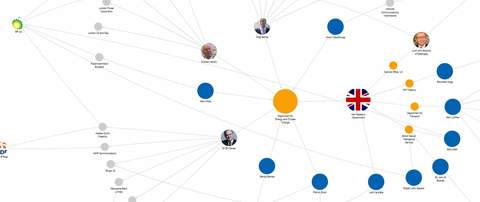
But in a new report, the Greens-European Free Alliance (Greens-EFA), a political group in the European Parliament, argue the EU’s historic opposition to a strong conflict of interest policy is because of the cosy relationship between European governments and private companies with a vested interest in weak climate policies.