


You could call it the crack heard ’round the world.For years, scientists had been monitoring the Larsen C ice shelf in Antarctica, watching as an enormous rift in the ice grew in fits and starts. Then, on July 12, one of the largest icebergs in history broke off the shelf. (See maps that show the decades-long decline of Larsen C.) Now known as A68, the massive iceberg has completely separated from Larsen C. But for scientists concerned about polar melt, their work is only beginning. Keeping a close eye on A68 and other icebergs in the Weddell Sea is important for understanding the global effects of climate change.There’s just one problem: It is currently winter in Antarctica, and it’s totally dark.Due to a combination of Earth’s orbit and tilt, Antarctica technically has only two seasons—winter and summer. Six months of the year Antarctica is on the sunny side on the globe, and for the other six months it is shrouded in darkness.So NASA scientists have deployed a special instrument on their Landsat 8 satellite that allows them to monitor the situation no matter the season. Instead of relying on visual light, the Thermal Infrared Sensor, or TIRS, is able to capture pictures by measuring the differences in temperature between the water and the ice.Iceberg the Size of Delaware Breaks Free in Antarctica
Latest news


Popular Articles

Gorillas, rhinos, lions and more will soon become extinct without immediate action
A report by 43 wildlife experts warns that without changes now, many of Earth's most iconic species will be lost forever.
Link to full source:...

Do you see a devil in this orchid?
Named for 'el diablo' himself, a new and extremely rare orchid species reveals a wicked heart.
Link to full source: Do you see a devil...

Florida man arrested for stealing sea turtle eggs
He's given a whole new meaning to "poached eggs."
Link to full source: Florida man arrested for stealing sea turtle eggs
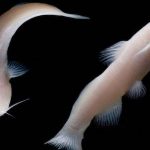
Rare blindcat found in US, could prove water-filled caves connect Texas and Mexico
The extremely rare cave-dwelling albino fish with no eyes, the Mexican blindcat, has previously only been known to exist in Mexico.
Link to full source:...

10 magical places saved by endangered species
In our efforts to save animals at risk of extinction, we've saved some extraordinary places as well.
Link to full source: 10 magical places saved...