


Scientists and conservationists have continually called for location data to be turned off in wildlife photos and publications to help preserve species but new research suggests there could be more to be gained by sharing a rare find, rather than obscuring it, in certain circumstances. Researchers have developed a framework — considering a range of case studies including the ‘world’s largest bloom’ giant flower Rafflesia in Southeast Asia and the elusive Australian night parrot.
Latest news
Popular Articles
Gorillas, rhinos, lions and more will soon become extinct without immediate action
A report by 43 wildlife experts warns that without changes now, many of Earth's most iconic species will be lost forever.
Link to full source:...
Do you see a devil in this orchid?
Named for 'el diablo' himself, a new and extremely rare orchid species reveals a wicked heart.
Link to full source: Do you see a devil...
Florida man arrested for stealing sea turtle eggs
He's given a whole new meaning to "poached eggs."
Link to full source: Florida man arrested for stealing sea turtle eggs
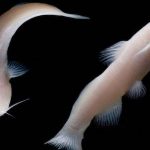
Rare blindcat found in US, could prove water-filled caves connect Texas and Mexico
The extremely rare cave-dwelling albino fish with no eyes, the Mexican blindcat, has previously only been known to exist in Mexico.
Link to full source:...
10 magical places saved by endangered species
In our efforts to save animals at risk of extinction, we've saved some extraordinary places as well.
Link to full source: 10 magical places saved...