






Unexpected environmental source of methane discovered
Roughly 10 percent of nitrogen-fixing microorganisms contain the genetic code for manufacturing a back-up enzyme, called iron iron-only nitrogenase, to do their job. New...

Nature has more than one way to make methane
Biochemists report a bacterial, iron-only nitrogenase pathway for methane formation.

Scientists home in on a potential Anthropocene ‘Golden Spike’
A new study suggests that key geological markers align towards a start for the Anthropocene somewhere between 1952 to 1955, based on signals from...

Robots aid better understanding of phytoplankton blooms
Phytoplankton blooms are one of the most important factors contributing to the efficiency of the carbon pump in the North Atlantic Ocean. To better...

New application for acoustics helps estimate marine life populations
Researchers have for the first time have used hydroacoustics as a method for comparing the abundance of fishes within and outside marine protected areas...
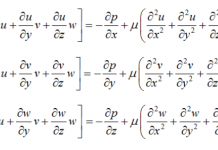
Q&A: How do climate models work?
In the first article of a week-long series focused on climate modelling, Carbon Brief explains in detail how scientists use computers to understand our...

Sanchi oil spill contamination could take three months to reach mainland
Water contaminated by the oil currently leaking into the ocean from the Sanchi tanker collision is likely to take at least three months to...

A society divided by reconstruction
In 2004, a tsunami devastated much of the Indonesian city of Banda Aceh. An international team of researchers has studied the long-term impact that...

Thinking outside the box on climate mitigation
A new article lays the groundwork for alternative climate mitigation scenarios that place less reliance on unproven negative emissions technologies in the future.

Species identification in the water bottle
Environmental DNA analysis makes it possible to detect water organisms without having to capture them first. For the first time, researchers systematically investigated the...
Latest news


Popular Articles

Gorillas, rhinos, lions and more will soon become extinct without immediate action
A report by 43 wildlife experts warns that without changes now, many of Earth's most iconic species will be lost forever.
Link to full source:...

Do you see a devil in this orchid?
Named for 'el diablo' himself, a new and extremely rare orchid species reveals a wicked heart.
Link to full source: Do you see a devil...

Florida man arrested for stealing sea turtle eggs
He's given a whole new meaning to "poached eggs."
Link to full source: Florida man arrested for stealing sea turtle eggs

Rare blindcat found in US, could prove water-filled caves connect Texas and Mexico
The extremely rare cave-dwelling albino fish with no eyes, the Mexican blindcat, has previously only been known to exist in Mexico.
Link to full source:...

10 magical places saved by endangered species
In our efforts to save animals at risk of extinction, we've saved some extraordinary places as well.
Link to full source: 10 magical places saved...