






Ouganda : contre le réchauffement climatique, freiner la déforestation
Une expérience inédite vient d'être menée en Ouganda dont les résultats viennent d'être publiés jeudi dernier dans la revue américaine Science. Elle démontre que...

Cierran el grifo de las fuentes del Vaticano por la sequía
La sequía ha llevado al Vaticano a cortar el agua de sus fuentes, tanto en la Plaza de San Pedro como en el resto...
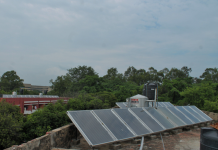
In two years solar energy for residential sector would be cheaper than electricity grid:...
NEW DELHI: In the next two years, solar power will be cheaper than the electricity grid in the residential sector, says solar energy provider...

New DC program puts solar panels on homes of low-income families
A new program touted by D.C. Mayor Muriel Bowser aims to install solar panels on nearly 300 homes of low-income D.C. families. Leaders say...

Protein From Solar Energy & Carbon Dioxide Could Slow The Pace Of Climate Change
Agriculture
Published on July 24th, 2017 | by Steve Hanley
July 24th, 2017 by Steve Hanley
Humans need protein to survive, but growing the food that...
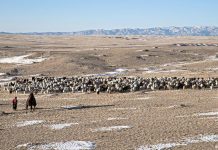
How Mongolia's nomads are adapting to climate change
For centuries, nomadic families have driven their livestock across Mongolia's steppe, preserving a way of life that goes back generations. But changes in this...

Romans threatened with water rationing as Italy's heatwave drags on
Italy
Half of capital’s 3 million residents could have water switched off for eight hours a day after Italy’s driest spring for 60 years
<!--><!--><!--><!-->
A tourist...

We may have even less time to stop global warming than we thought
A world map shows climate anomalies during the 2015 World Climate Change Conference near Paris. (Stephane Mahe/Reuters)At least since 2013, one of the biggest concerns...

Alien species invasions and global warming a 'deadly duo', warn scientists
Invasive species
Foreign animals and plants can cause huge damage, with the march of Argentine ants in the UK a new example of how climate...

Rainforest metropolis casts 1,000 km shadow on wildlife
Urban food demand in the Amazon could be hitting wildlife up to 1,000 km away from the city, according to new research.
Latest news


Popular Articles

Gorillas, rhinos, lions and more will soon become extinct without immediate action
A report by 43 wildlife experts warns that without changes now, many of Earth's most iconic species will be lost forever.
Link to full source:...

Do you see a devil in this orchid?
Named for 'el diablo' himself, a new and extremely rare orchid species reveals a wicked heart.
Link to full source: Do you see a devil...

Florida man arrested for stealing sea turtle eggs
He's given a whole new meaning to "poached eggs."
Link to full source: Florida man arrested for stealing sea turtle eggs

Rare blindcat found in US, could prove water-filled caves connect Texas and Mexico
The extremely rare cave-dwelling albino fish with no eyes, the Mexican blindcat, has previously only been known to exist in Mexico.
Link to full source:...

10 magical places saved by endangered species
In our efforts to save animals at risk of extinction, we've saved some extraordinary places as well.
Link to full source: 10 magical places saved...