



September 26th, 2019
Emissions
from transport and the burning of solid fuel remain Ireland’s top sources of
air pollution, the Environmental Protection Agency (EPA) has warned.
According
to the new report, Ireland’s air quality has an adverse influence on people’s
health with high levels of particulate matter a key concern.
The European Environment Agency estimates that there were 1,180 premature deaths in Ireland in 2016 due to poor air quality.
A new index from the Energy Policy
Institute at the University of Chicago released
last November described air pollution as a more significant threat to human
lives than smoking and even war.
The EPA’s annual report on air quality indicates that levels of nitrogen dioxide (NO2) pollution are soon likely to surpass EU safety limits.
Another recent EPA report on urban
environmental issues revealed that NO2
pollution in Dublin may already be above the EU safety ceiling.
The M50 motorway, several city centre streets and the entrance and exit of the Dublin Port tunnel were reported as the most polluted areas.
Particulate
Matter
The report outlined the burning of solid fuel such as peat, wood, and coal for home heating as the primary source of particulate matter (PM) pollution in Ireland.
The EPA
has described burning solid fuel in stoves and in open fires as an “inefficient
process” that leads to pollution both “indoors and outdoors”.
PM
pollution is believed to be the deadliest form of air pollution due to its
ability to penetrate the lungs and filter into our bloodstream.
While Ireland’s level of PM pollution does not currently exceed EU limits, it surpassed the World Health Organisation’s (WHO) more stringent parameters at nine monitoring stations last year.
Ground-Level ozone pollution
Levels
of ground-level ozone pollution in Ireland did not exceed EU limits in 2018,
but it exceeded WHO air quality guidelines in 13 monitoring stations.
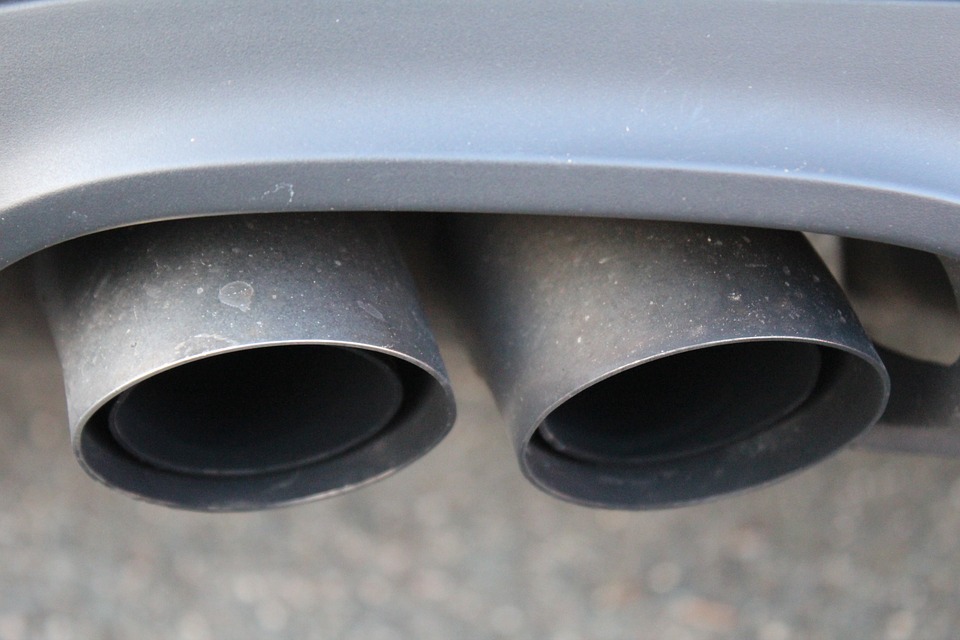
The report defines ground-level ozone as a pollutant formed in urban areas when car exhaust emissions mix together and undergo chemical reactions in sunny weather.
During a warm-weather spell in June 2018, ground-level ozone pollution led to the formation of a “photochemical smog” episode across urban areas “where traffic is a problem”.
Reactions
to the report
Reacting
to the report, the Green Party raised alarm about the adverse influence of poor
air quality on health and safety, urging Minister for Transport Shane Ross TD
to “act now”.
The party’s transport spokesperson Councillor Patrick Costello said that the State’s short-sighted transport policy is “literally killing us”.
“The Government’s
transport policies have been a problem in terms of climate change, but this
report is proof that the choices they have made are literally killing us,” he
said.
Mr
Costello criticised the State for investing in “a huge number of road projects”
as opposed to boosting the “public transport infrastructure”.
The Asthma
Society of Ireland also expressed concern about “the detrimental effects of air
pollution” on people who suffer from respiratory diseases, especially children.
“Children
face even higher risks, both to their health and their development,” said Sarah
O’Connor, the group’s CEO.
“Especially alarming are the rates of asthma deaths in Ireland which, running contrary to international trends, are on the rise, up from 39 deaths a year in 2012 to 63 deaths a year in 2016,” she continued.
About the Author

The post Poor air quality causing almost 1,200 deaths per year appeared first on Green News Ireland.