




Ant-plant symbioses: Adapting to changes in partner abundance
Many ant species live in often highly specific symbiotic relationships with plants from which both partners benefit. Researchers now reveal that such selective interactions...
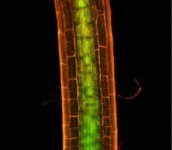
Nitrogen foraging ability of plants relies on mobile shoot-root hormone signal
Although not able to actively forage for their food, plants can nevertheless overcome problems relating to nutrient scarcity or varied distribution using a long-distance...
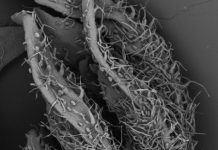
Transgenic plants against malaria
Since the ancient times, humankind has used plants to treat diseases. An example is the plant Artemisia annua, used for over 2,000 years in...

Predatory lizard enters Brazil clandestinely
Anolis porcatus, a species native to Cuba, has been identified in several areas near the Port of Santos on the São Paulo coast, in...

Botany: A stem's 'sense of self' contributes to shape
It is well known that as plants grow, their stems and shoots respond to outside signals like light and gravity. But if plants all...

Yellow fever killing thousands of monkeys in Brazil
In a vulnerable forest in southeastern Brazil, where the air was once thick with the guttural chatter of brown howler monkeys, there now exists...
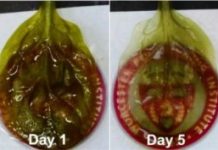
Heart tissue grown on spinach leaves
Researchers face a fundamental challenge as they seek to scale up human tissue regeneration from small lab samples to full-size tissues, bones, even whole...

Pollination mystery unlocked by bee researchers
Bees latch on to similarly-sized nectarless flowers to unpick pollen – like keys fitting into locks, scientists have discovered.

New species of terrestrial crab found climbing on trees in Hong Kong
A new species of terrestrial crab has been found to climb trees on the eastern coast of Hong Kong. Its squarish predominantly dark brown...
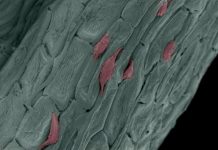
Parsley and other plants lend form to human stem cell scaffolds
Borrowing from nature is an age-old theme in science. Form and function go hand-in-hand in the natural world and the structures created by plants...
Latest news


Popular Articles

Gorillas, rhinos, lions and more will soon become extinct without immediate action
A report by 43 wildlife experts warns that without changes now, many of Earth's most iconic species will be lost forever.
Link to full source:...

Do you see a devil in this orchid?
Named for 'el diablo' himself, a new and extremely rare orchid species reveals a wicked heart.
Link to full source: Do you see a devil...

Florida man arrested for stealing sea turtle eggs
He's given a whole new meaning to "poached eggs."
Link to full source: Florida man arrested for stealing sea turtle eggs

Rare blindcat found in US, could prove water-filled caves connect Texas and Mexico
The extremely rare cave-dwelling albino fish with no eyes, the Mexican blindcat, has previously only been known to exist in Mexico.
Link to full source:...

10 magical places saved by endangered species
In our efforts to save animals at risk of extinction, we've saved some extraordinary places as well.
Link to full source: 10 magical places saved...