


September 25th, 2019
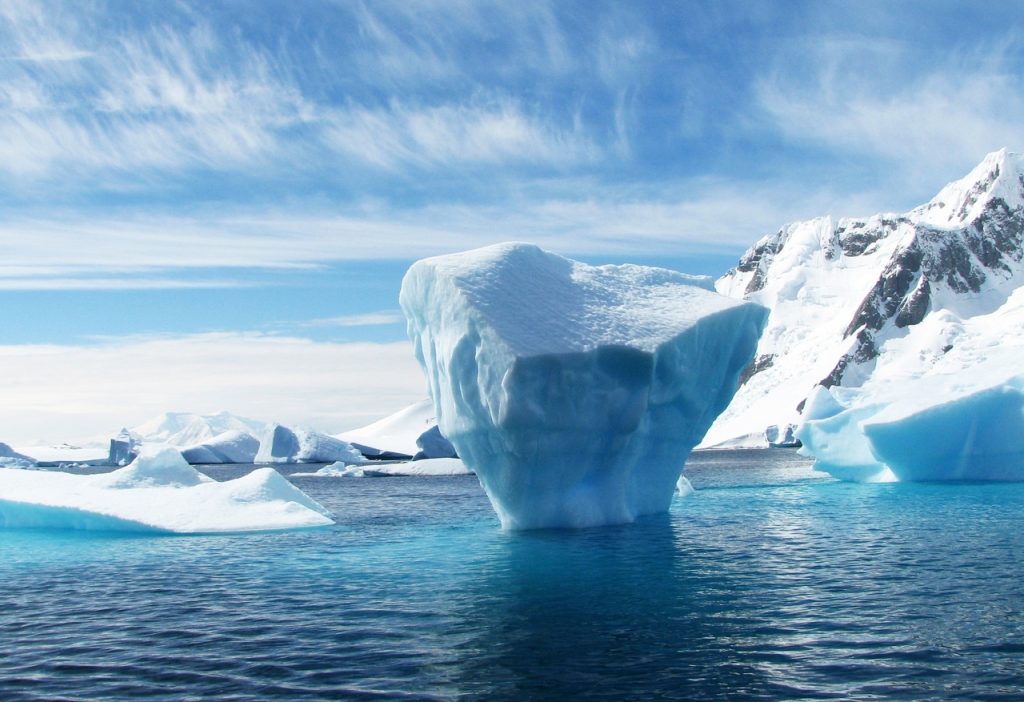
The global sea level is rising twice as fast as it did during the 20th century and are continuing to accelerate, a new landmark UN report has found.
Sea levels are
expected to rise for centuries to come, according to a new special report from the Intergovernmental
Panel on Climate Change’s (IPCC) on the impact of climate change on our oceans
and the cryosphere which is comprised of the frozen parts of the planet.
Even if emissions are
sharply reduced and global warming is limited to below the 2C target outlined
in the Paris Agreement, the report notes that sea levels could rise by up to 30
to 60 cm by 2100.
If greenhouse gas
emissions continue to increase significantly, the figure could be anywhere
between 60 to 110 cm.
The warming atmosphere,
the UN warns, is causing glaciers and ice sheets to melt, as well as acidifying
ocean waters as the seas have absorbed between 20 to 30 per cent of carbon
emissions since the 1980s.
As a result, sea
levels have risen substantially and storms have intensified, both of which
threaten over one billion people worldwide.
A total of 670 million people living in high mountain regions depend on glaciers, while 680 million people in low-lying coastal zones are vulnerable to rising sea levels and hurricanes, such as small island developing states that are home to 65 million people.
Permafrost
Permafrost has thawed
as a result of climate change, and even if global warming is limited to well
below 2 C, roughly a quarter of the near-surface permafrost will thaw by 2100,
the IPCC said. If greenhouse gas emissions continue to “increase
strongly”, up to nearly 70 per cent of permafrost could thaw, the report finds.
Arctic and boreal
permafrost hold significant amounts of organic carbon, almost double the carbon
in the atmosphere, and have the potential to drastically increase the
concentration of greenhouse gases if thawed.
In order to prevent
and mitigate the worst damage, the UN body recommends a strong reduction in,
the protection and restoration of ecosystems, and the careful management of
natural resource use.
Doing so would make it
possible to preserve the ocean and cryosphere, limit risks to livelihoods and
offer multiple additional societal benefits, the report states.
If governments fail to
adopt more ambitious goals for reducing carbon emission, Director of CAN Europe
Wendel Trio said, the subsequent destruction will be “far worse”.
“So far the responses from European leaders to the climate crisis have been maddeningly slow. After underwhelming commitments made at the UN Climate Action Summit, the EU needs to speed up its work towards adopting a more ambitious climate target by early next year,” he added.
Pushing beyond the
ocean’s limits
In response to the
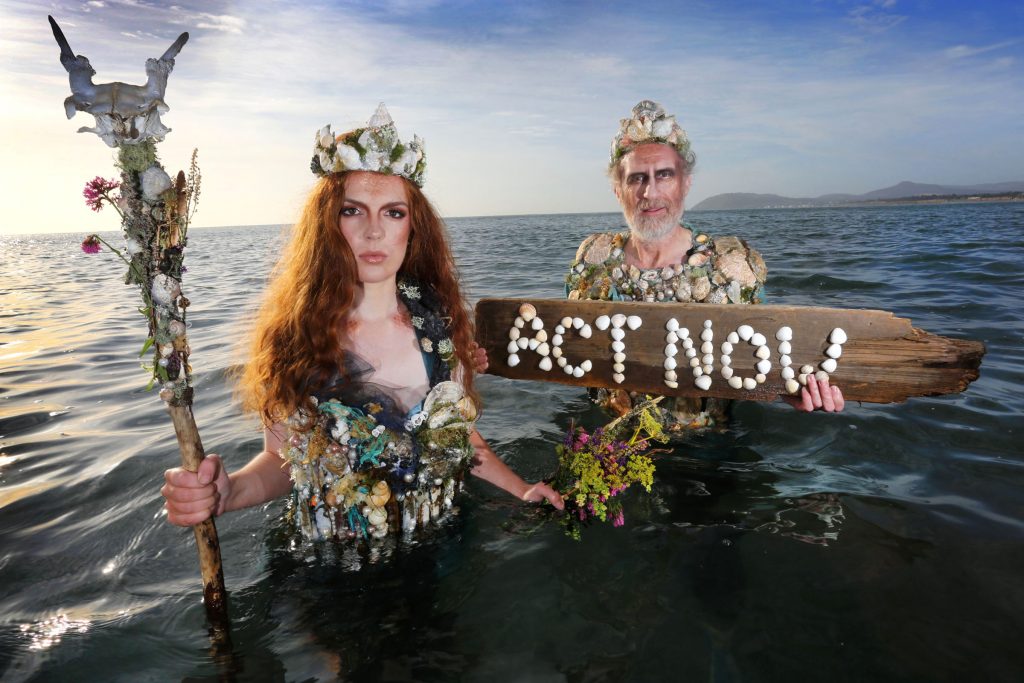
report, Extinction Rebellion Ireland has called on the Government to remember
that Ireland itself is an island nation and said that unless carbon emissions
are substantially reduced, “we will be among those who will feel the brunt of
climate disaster most keenly”.
And in Europe, over 50
NGOs – including Irish groups – have written to regional leaders to urge them
to protect the oceans in the face of climate breakdown in anticipation of
today’s UN report.
In their letter, the
organizations call on EU leaders to end over-fishing and illegal fishing, bring
in a high seas treaty by the end of 2020 and protect at least 30 per cent of
the ocean.
“The ocean cannot
infinitely support our current way of life if we keep piling on pressure while
demanding that it produce the oxygen we breathe, feed us, and absorb excess
heat and CO2,” Programme Director of Our Fish Rebecca Hubbard said.
Ms Hubbard also stressed that ending overfishing can help the EU to deliver a “stronger new Green Deal for Europeans”, which will be at the top of the agenda for the new European Commission in the upcoming term.
About the Author

The post Climate report warns sea level rising faster as polar ice melts appeared first on Green News Ireland.