


It is 20 years to the day since Northern Ireland’s leaders signed the Good Friday Agreement. After decades of conflict, the deal laid out how the country would be governed and has proved fragile over the last two decades.
That fragility has been exacerbated over the past 10 months, ever since UK prime minister Theresa May signed a “supply and confidence” pact with Northern Ireland’s pro-Brexit, socially conservative, climate science denying, Democratic Unionist Party (DUP) to prop up her Conservative government.
The DUP ’s presence as a governing partner threatens the Good Friday Agreement, as the party has regularly criticised the deal’s requirement that both of Northern Ireland’s main parties rule in coalition.
The DUP says this effectively gives their opponents Sinn Fein a veto over major political decisions. Northern Ireland has been without an executive since January 2017 when Sinn Fein resigned from government in protest over the handling of a bungled biomass energy scheme.
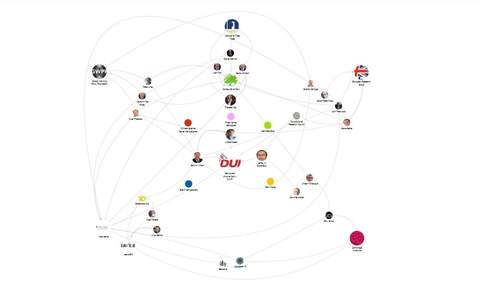
The DUP’s new found power also amplifies the influence of a network of Brexiteer climate science deniers with ties to the party. Together, this network is pushing to roll back the UK’s climate commitments through a ‘hard’ Brexit, while also threatening Northern Ireland’s fragile governing arrangements.