

August 27th, 2019
Last week, the National Parks and Wildlife Service published the third report on the assessment of the status of habitats and species that Ireland is required to protect under the EU Habitats Directive.
The
report outlines the trends in the conservation status of Irelands most
threatened habitats and species (excluding birds). The report’s findings are
extremely worrying and again highlight that we are in
the midst of a global and national
biodiversity crisis.
This
crisis is an imminent threat to many of Ireland’s rarest species as well as the
network of habitats that support them. Urgent action is needed by the
Government to rise to this biodiversity emergency.
The assessment
of the overall status of habitats is that 85 per cent of habitats are
in Unfavourable (i.e. Inadequate or Bad) status, with 46 per cent of habitats
demonstrating ongoing declining trends. This
unfavourable status has remained largely unchanged since Ireland’s first
assessment back in 2007.
These
shocking findings echo a recent study by BirdWatch Ireland, which
found that the numbers of wintering waterbirds have
declined by almost 40% since the mid-1990’s.
While conservation efforts have been made, for example through the protection of a network of raised bogs and the implementation of results-based agri-environment schemes, it is clear that far greater effort is needed moving forward.
Drivers of loss to intensify
What
is most alarming is that many of the drivers of biodiversity loss are predicted
to intensify over the coming decades. The effects of climate change, which have
become more apparent and will only escalate without global
collaboration and concerted efforts to decarbonise our society and address
pressures which are resulting in the loss of important carbon sinks like
peatlands and wetlands.
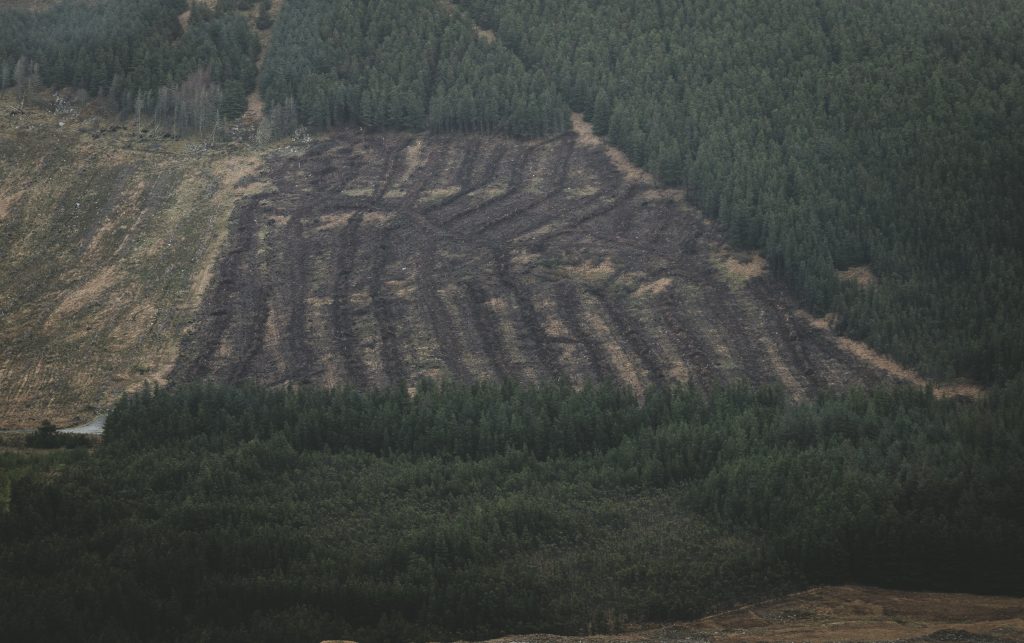
Other pressures such as agricultural intensification, land abandonment, and unsustainable forestry are the result of government policies, market forces and broader social issues which, unchallenged, will continue to erode the natural life support systems that underpin our society and economy.
For
some species like the Freshwater Pearl Mussel – Ireland supports a large percentage
of the global population – and the Nore pearl mussel that is found only in
Ireland, further declines in their conservation status may push the species
towards extinction.
According
to the NPWS, agriculture remains by far the greatest threat and
pressure on biodiversity nationally acting as a threat or pressure on 70
per cent of surveyed habitats. Agriculture also ranked as
a threat or pressure of High Importance for 50 per cent of habitats.
Of the pressures associated with agriculture, overgrazing is by far the biggest issue identified, impacting on just under 40 per cent of habitats. For context, the next biggest pressure is undergrazing that is impacting on just over 15 per cent of habitats.
Agricultural
intensification
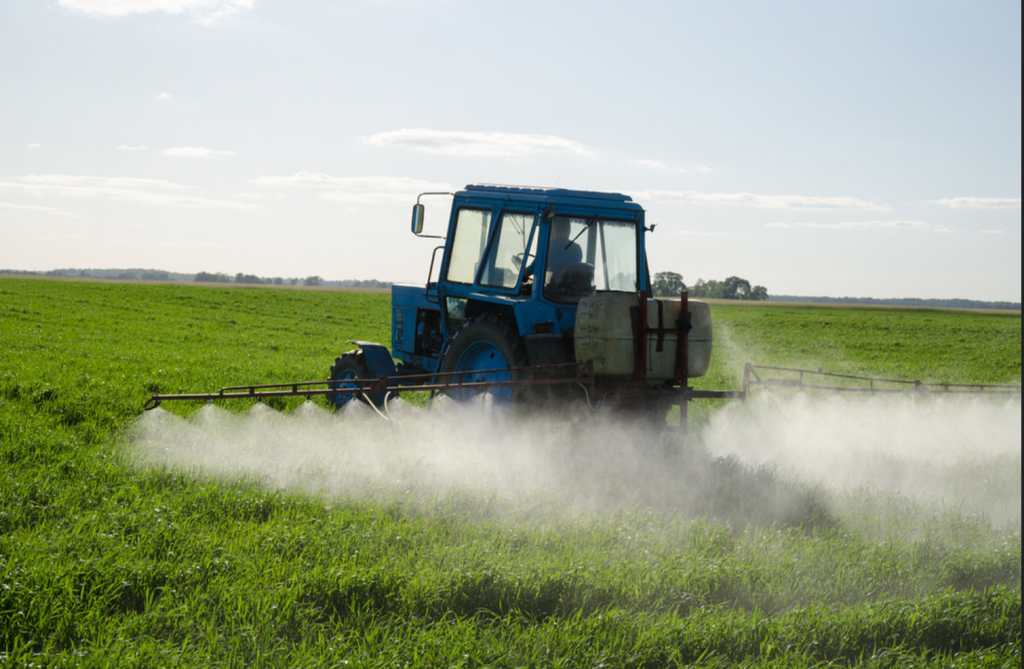
Concerted action needs to be taken to curb agricultural intensification. The conversion of vast areas of the country over the last 40 years to species-poor pastures of perennial ryegrass through habitat removal, drainage, reseeding and fertilisation is squeezing the space for wildlife out of our landscape as well as resulting in air and water pollution. These negative impacts also undermine the green image that underpins Irish food globally as well as other sectors such as tourism.
Many
of Ireland’s most threatened habitats and species are dependent on traditional
High Nature Value farming systems in places like the
Burren, the Shannon Callows and our uplands.
The ongoing loss of species-rich grasslands, for example, due to land
abandonment and afforestation, reflects in many instances’ on broader
socio-economic pressures in often-marginal rural communities.
Agri-environment schemes offer the opportunity to protect some of our most important areas for biodiversity, while also providing much-needed investment into the local economy. Closer collaboration between the farming community, government and conservation organisations is needed to implement further win-wins for nature and rural communities moving forward.
The decision we make over the next
decade will be of critical importance for many habitats and species. In most instances, the
threats and pressures are well known as well as the actions needed to address
them.
The Government’s recent decision to declare a climate and biodiversity emergency must now be followed up with concrete actions. We can only hope that the decision of the Minister for Heritage Josepha Madigan not to allow hedge-cutting in August is the first of many such actions to address the defining issues of our time.
By Fintan Kelly
Fintan works with the Policy and Advocacy team of BirdWatch Ireland. He heads up their Marine Policy work on the implementation of the European Union’s Common Fisheries Policy reforms.
The post ‘We know the threats to our habitats and species – now is the time to act’ appeared first on Green News Ireland.