

February 4th, 2020
Over the past three weeks, as in all election cycles, we have become
accustomed to the knock at the door from canvassers or candidates themselves
are they vie for our number one at the ballot box.
We have asked leading climate and biodiversity experts to tell us the key
policy asks that they have raised with candidates when they come a-knocking.
Next up is Padraic Fogarty, campaign officer with the Irish Wildlife Trust and author of Whittled Away – Ireland’s Vanishing Nature that charts how the grim failure to manage our natural resources has impoverished our country.
It was
recently pointed out to me online that the EU has some of the most progressive
laws for environmental protection in the world, so how can it be that our
extinction crisis is worsening or that our water quality continues to
deteriorate?
The answer
is that these laws go largely ignored or unimplemented, something which
provokes my nervous tik when I hear any government politician boast about the
primacy of ‘law and order’.
Our votes
on Saturday are unusually critical as they will determine whether we start on
the path towards restoration of nature and reductions in greenhouse gas
emissions, or if we get another five years of excuses and prevarication –
something we cannot afford.
We need to address the biodiversity crisis but, as nature-based solutions could provide a third of the reductions needed to meet our targets under the Paris Agreement, restoring ecosystems is also climate action.
It also happens to be health care action, community resilience action and rural equality action! So, here is what I see as the top four priorities for the incoming government.
Generous funding the National Parks and
Wildlife Service and National Biodiversity Data Centre
Funding
for both sections limps from year to year with no certainty of funding is not
an onerous burden on the exchequer. Even were we to quadruple their funding to
€100 million a year it would only be a shade more than we give to the greyhound
and horse-racing industries so this is not a financial issue. However, the NPWS
also needs structural reform to cope with this expansion, and needs to be put
on an independent footing just like the Environmental Protection Agency.
Full implementation of existing laws
We enjoy the advantage of having done the hard work of crafting environmental and climate legislation and were we to enthusiastically enforce the laws we would already have Marine Protected Areas covering 10 per cent of the ocean, an end to overfishing and dumping unwanted catches, clean and healthy rivers, with our most threatened habitats and species on the mend.
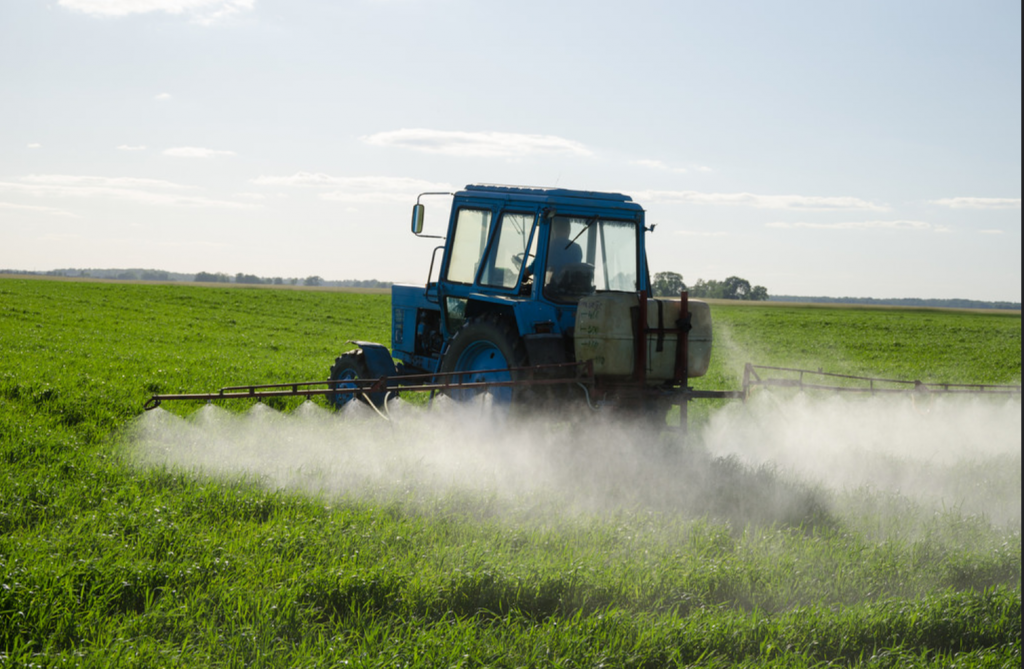
New Common Agricultural Policy
We need a
new support system for farming to prioritise results-based farming, organic
production and regenerative methods. There also needs to be ‘rewilding’ option
where farmers are paid for not farming in certain areas. At sea we need to end
bottom trawling and properly manage all activities from super trawlers to sea
angling.
New land agency to amalgamate Coillte and
Bord na
Móna
This
agency would give both semi-state bodies a new remit to rewild land where no
commercial extraction would occur. Profitable forestry – perhaps only a third
of Coillte’s land holding – could be
hived off to a timber production company that is based on natural processes and
continuous-cover of trees.
The new agencies need to have community participation (not merely consultation) in setting the vision for their local areas. While we’re at it, the Office of Public Works needs to be upended and the Arterial Drainage Act repealed – with new legislation to restore rivers and ensure flood protection is focussed on towns and homes, not farmland.
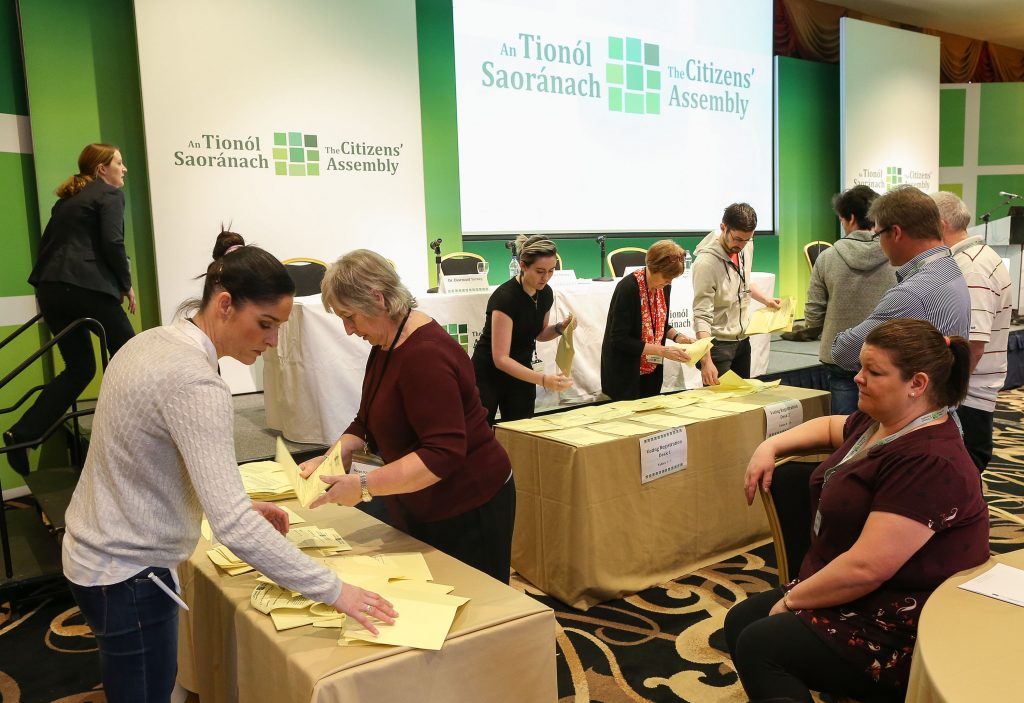
Put together a citizens’ assembly on
biodiversity loss
The Dáil voted in
May 2019 to establish a citizens’ assembly on biodiversity loss. This would be
a critical first step in a massive programme of education which can fill the
gap left in the mainstream media. This means integrating ecology and
environmental science at an appropriate level across all training programs –
from catering to engineering – as well as public information campaigns.
Our dysfunctional
relationship with nature is at the heart of our ecological crises and this will
only be fixed with an ethical shift which sees us all as part of a living
natural system. Along with education, the new government should also put a
referendum to the people on including the rights of nature in the constitution.
The post What the experts want from GE2020 – Irish Wildlife Trust appeared first on Green News Ireland.