





Analysis: Coronavirus has temporarily reduced China’s CO2 emissions by a quarter
As China battles one of the most serious virus epidemics of the century, the impacts on the country’s energy demand and emissions are only...

Guest post: How close is the West Antarctic ice sheet to a ‘tipping point’?
Between its east and west ice sheets and its peninsula, Antarctica holds enough ice to raise global sea levels by around 60m.
The West...
Guest post: Could climate change and deforestation spark Amazon ‘dieback’?
Last summer, the Amazon rainforest was in the news again for all the wrong reasons. Deforestation rates are on the rise under the leadership...
Guest post: The irreversible emissions of a permafrost ‘tipping point’
Across vast swaths of the northern hemisphere’s higher reaches, frozen ground holds billions of tonnes of carbon.
As global temperatures rise, this “permafrost” land is...
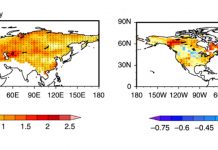
Climate change driving surge in ‘day-night hot extremes’ in northern hemisphere
Deadly “day-night hot extremes” are increasing across the northern hemisphere due to climate change, a new study finds.
And the number of people exposed to...
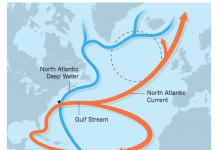
Guest post: Could the Atlantic Overturning Circulation ‘shut down’?
Generally, we think of climate change as a gradual process: the more greenhouse gases that humans emit, the more the climate will change. But...
Explainer: Nine ‘tipping points’ that could be triggered by climate change
The persistent march of a warming climate is seen across a multitude of continuous, incremental changes. CO2 levels in the atmosphere. Ocean heat content....
Climate change driving ‘rapid and widespread’ decline of bumblebees
The chances of spotting a bumblebee have dropped by almost half across North America and by 17% in Europe from the mid-20th century to...
Analysis: Why coal use must plummet this decade to keep global warming below 1.5C
The next 10 years are crucial for tackling climate change, with widespread recognition that CO2 emissions must fall 45% by 2030 to keep global...
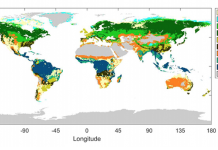
Tropical forests losing ability to absorb CO2, study says
The world’s tropical forests are losing their ability to remove CO2 from the atmosphere, while boreal forests are absorbing emissions at an increasingly fast...
Latest news


Popular Articles

Gorillas, rhinos, lions and more will soon become extinct without immediate action
A report by 43 wildlife experts warns that without changes now, many of Earth's most iconic species will be lost forever.
Link to full source:...

Do you see a devil in this orchid?
Named for 'el diablo' himself, a new and extremely rare orchid species reveals a wicked heart.
Link to full source: Do you see a devil...

Florida man arrested for stealing sea turtle eggs
He's given a whole new meaning to "poached eggs."
Link to full source: Florida man arrested for stealing sea turtle eggs

Rare blindcat found in US, could prove water-filled caves connect Texas and Mexico
The extremely rare cave-dwelling albino fish with no eyes, the Mexican blindcat, has previously only been known to exist in Mexico.
Link to full source:...

10 magical places saved by endangered species
In our efforts to save animals at risk of extinction, we've saved some extraordinary places as well.
Link to full source: 10 magical places saved...